

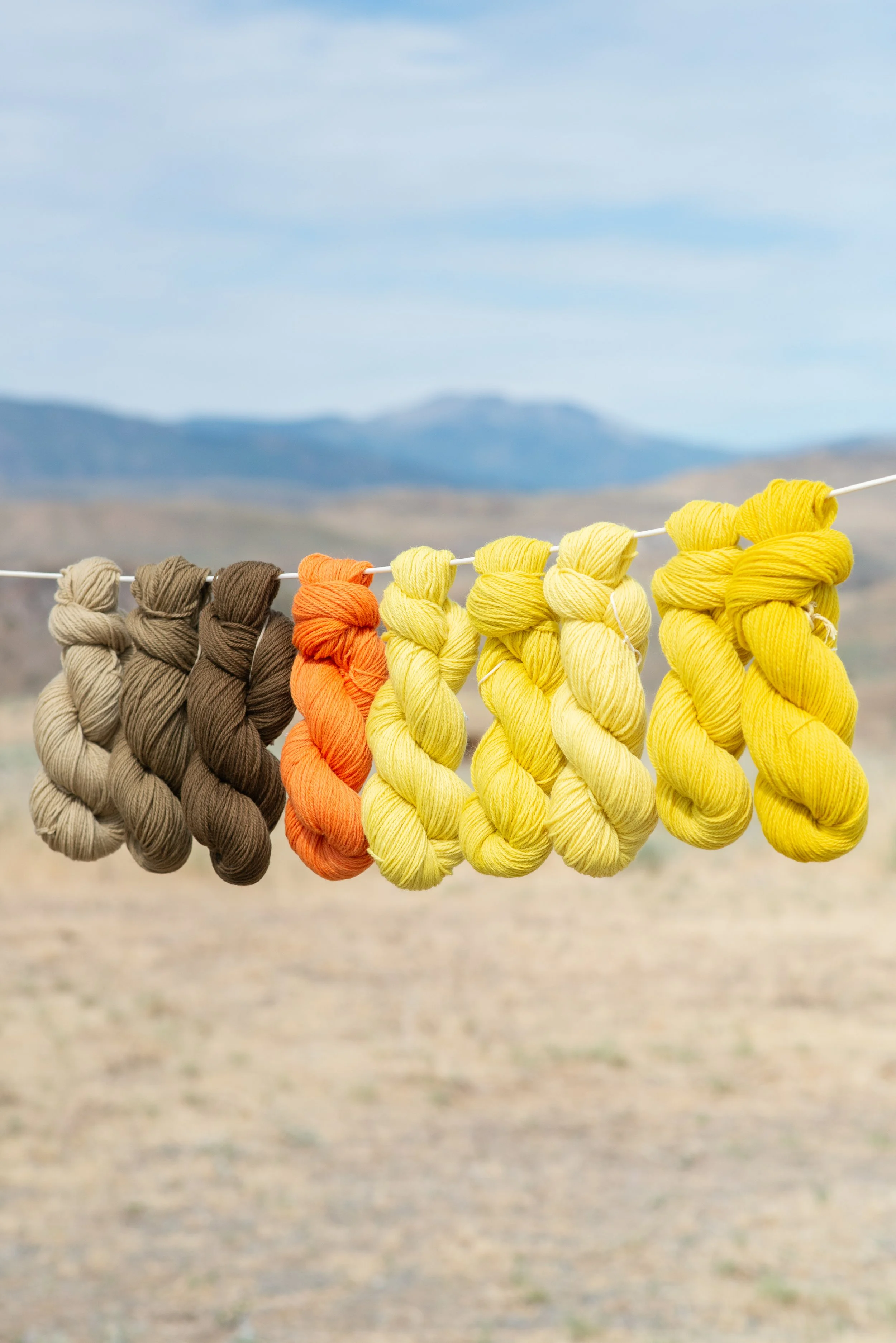
FRENCH WELD EXTRACT
French Weld Extract
CLEAR, LIGHTFAST YELLOWS
Shepherd Textiles French Weld Extract is made from reseda luteola, a flowering plant known as weld or dyer’s rocket. Weld has a long history of use in continental Europe, where it has been prized since ancient times for giving clear and lightfast yellows that are resistant fading. It gives excellent results on all natural fibers when used with an aluminum mordant, and the color can be shifted to an olive shade with iron. Our French Weld Extract is rich in coloring matter and is made from plants grown, harvested, and extracted in France. Use at 5%-8% weight-of-fabric (WOF) for medium to dark yellows.

Shepherd Textiles French Weld Extract is made from the blossoms of reseda luteola, a plant also known as Weld or Dyer's Rocket. The flowers are farmed organically in the Languedoc region of southern France, and dried naturally during the hot summers. It contains up to 50% more dyestuff than weld grown by industrial farming methods. Weld is the classic yellow plant dye, used for centuries in tapestries and rugs. It is celebrated by dyers because it gives clear, strong, light-fast yellows that stand up to washing and sunlight. It is appropriate for all natural fibers, including wool, silk, cotton, and alpaca, and gives bright shades ranging from lemon to intense neon yellow. With an iron mordant, the color shifts to olive green.
Before using, please read our Guide to Dyeing with French Weld Extract for color recipes, background, and safety information.
Product of France.
1. Background on Weld
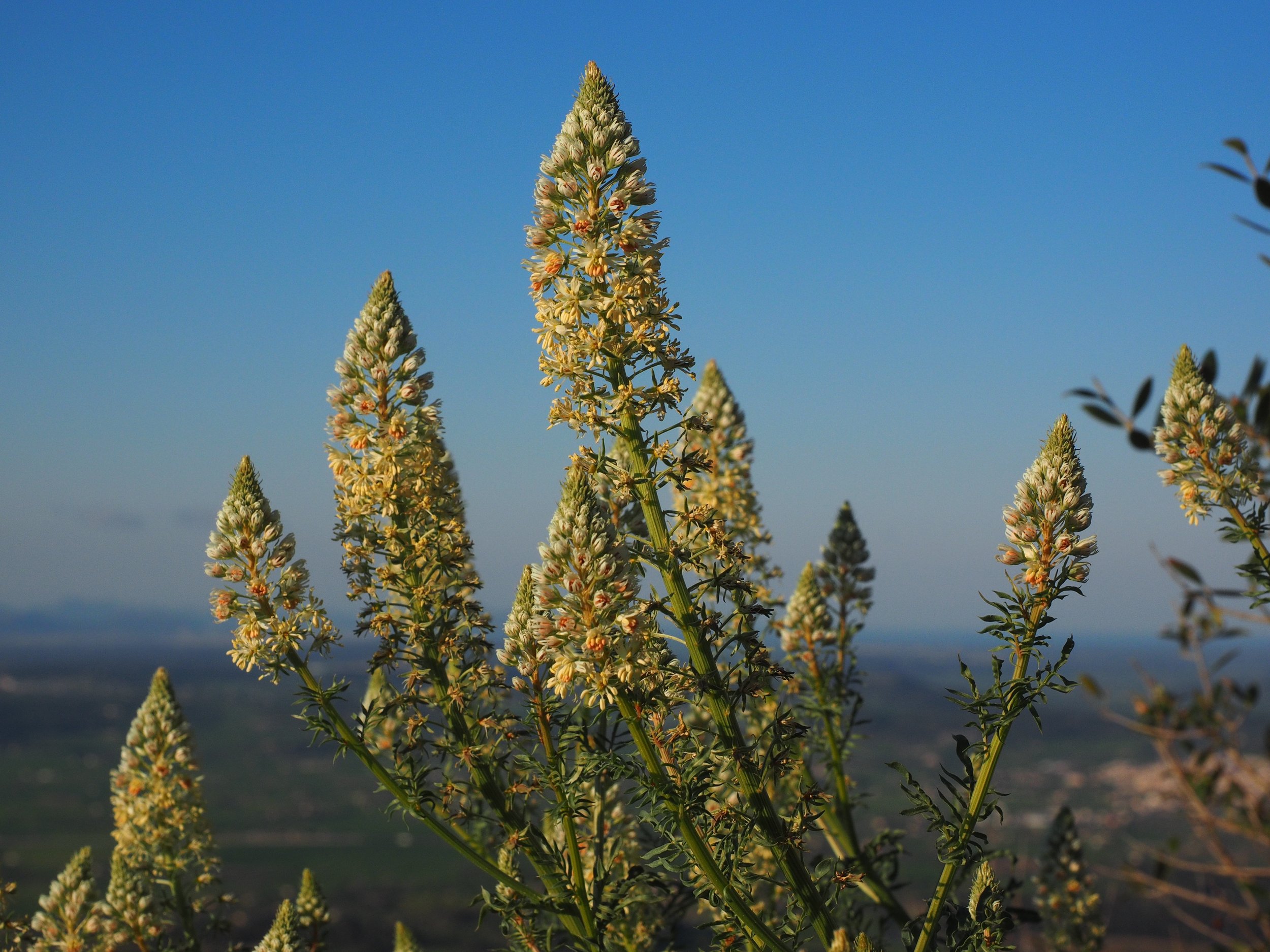
Weld, reseda luteola, is the most important yellow dye plant in the European dyeing tradition, and one of the oldest natural dyes known. It has been in continuous use since at least the Neolithic period in Europe, and weld-dyed cloth has been identified in archaeological finds across the ancient Mediterranean and Near East. The entire above-ground plant, including the stems, leaves, and flowers, is rich in a pigment called luteolin. Luteolin produces bright, clear yellows of outstanding lightfastness when paired with a mordant like aluminum or tin. It also has the advantage of working well with a variety of natural fibers including wool, cotton, linen and silk.
During the Early Modern period, weld became a cornerstone of the European dyeing industry, cultivated on a large scale in England, France, the Low Countries, and Germany. It was prized not only for its own clear yellow but also as an ingredient in compound colors such as "Saxon green" and the famous "Lincoln green" (which was produced by dyeing wool first with woad or indigo and then overdyeing it with weld). In France it was even classified along with indigo, madder, and cochineal as a grand teint, or “greater dye,” suitable for use on luxury fabrics. Weld continued to be preferred by many professional dyers until the end of the 19th century, when it was finally displaced by cheaper coal tar colors like aniline yellow. Today, weld is produced in much smaller quantities by artisan growers in Europe. It is also an excellent candidate for growing in a backyard dye garden.
2. Safety Precautions
This product is intended for textile projects only.
Do not ingest.
Avoid eye contact. If eye contact occurs, rinse well with cool water.
Avoid direct skin contact. If skin contact occurs, rinse well with cool water.
Wear gloves, a mask, and eye protection while handling the dry pigment. Work in a well-ventilated space, and wash hands after use.
Not for use in food, cosmetics, or hair care products.
Open carefully to avoid spilling or creating dust. If a spill occurs, quickly wipe up with a paper towel or disposable rag.
French Weld Extract can permanently dye clothing, countertops, rugs, utensils, or other property. Avoid contact with anything not meant to be dyed.
Use only dye pots and utensils dedicated to dyeing. Do not use any pots, containers, spoons, tongs, thermometers, or other utensils that will be used for food preparation.
Metal mordants like stannous chloride and ferrous sulfate are irritants and may be harmful if swallowed. Read your manufacturer’s safety data sheet (SDS) before use.
French Weld Extract, and all dye baths and mordant liquors made while dyeing, should be kept out of reach of children and pets. Use only with adult supervision.
Shepherd Textiles, LLC is not liable for any misuse of this product or any unintended staining of your clothing, workspace, or other property. Use only as directed.
3. Recommended Supplies

Dye pot. Use a stainless steel dye pot large enough to hold all your fibers, with plenty of room for them to move around and for the liquid to circulate freely. French Weld Extract may leave faint stains on metal dye pots. If so, the stain can usually be scrubbed out with a scouring pad.
Metal tongs. A pair of tongs is useful for stirring and taking fabric out. Use tongs dedicated to dyeing, and not for food preparation.
Rubber gloves. Wear rubber gloves while handling extract powder and while handling mordanted/dyed fiber before it is rinsed.
Candy thermometer. Use a thermometer to keep track of the proper temperature during mordanting and dyeing.
Scale. Use a scale to weigh out fiber, mordant, and extract powder.
Mordants. Weld is a mordant dye and a metal mordant is required. For yellows, use alum or a specialized aluminum mordant like aluminum acetate. For olives, use iron. Tin (stannous chloride) is used for certain colors on wool.
Calcium carbonate (chalk). Weld requires calcium in the dye bath to develop a good shade, especially when dyed with aluminum or iron. Unless your water is already extremely hard, you will need to supplement it by adding some calcium carbonate to the dye bath. Calcium carbonate will also buffer the bath at the ideal, slightly alkaline pH.
Cream of tartar. Cream of tartar is required to properly mordant wool with alum or iron.
[Optional] Respirator mask. If you plan to follow the recipe for Tin Yellow & Orange, which uses oxalic acid and stannous chloride, you will need a respirator mask to prevent inhalation of dust or fumes.
For woolen fibers: Scour and mordant with 10% alum and 11% cream of tartar.
Weigh out the fibers you plan to dye (while they are dry). Multiply that weight by 0.1 to get the amount of alum you will need, and by 0.11 to get the correct amount of cream of tartar. For example, for a 100-gram skein of wool yarn, you will 10 grams of alum and 11 grams of cream of tartar.
Before mordanting, scour (clean) the fibers well. Fill a dye pot with enough warm water for the fibers to move around freely. Add 1 teaspoon of a pH-neutral detergent like Synthrapol per pound of wool (some dyers like to use Orvus Paste instead; refer to the manufacturer’s instructions for proper use). Add the woolen fibers and raise the heat to 160°F (70°C). Maintain this heat for one hour, stirring occasionally so the fibers scour evenly. After an hour, turn off the heat. When the fibers are cool enough to handle safely, remove them and rinse in several changes of warm water until the water runs clear. Be sure to handle woolen fibers carefully to avoid felting them. Do not wring them, and do not move them from hot water directly into cold water, because sudden temperature changes can encourage woolen fibers to felt.
When ready to begin mordanting, fill a dye pot with enough warm water for the fibers to move around freely.
Add the cream of tartar first, and mix well until dissolved. Add the alum next, and mix well until dissolved.
Gently place your wetted, scoured fibers into the mordant bath.
Gradually heat mordant bath to 180°F (82°C) over the course of about half an hour. Maintain the heat at 180°F for 1 hour, stirring occasionally to make sure the fibers mordant evenly. Keep a lid on the bath as much as possible, as any steam will be mildly acidic.
After 1 hour, turn off the heat and allow the mordant bath to cool. The fibers can be removed as soon as they are cool enough to safely handle, or they can be left to steep in the mordant bath until it has cooled down to room temperature (which will slightly increase the amount of mordant that is absorbed).
Remove the mordanted fibers and rinse well in two or three changes of lukewarm water. The fiber should not be washed with detergent, but excess mordant and cream of tartar should be rinsed out before dyeing.
Proceed directly to dyeing.
Dispose of mordant solution according to local guidelines.
For cotton & linen: Scour and mordant with a specialized aluminum mordant.
When dyeing cotton and linen, the fibers should first be well-scoured (cleaned) and then mordanted with a specialized aluminum mordant like Aluminum Acetate, Aluminum Lactate, or Aluminum Formate Pro. See each product page for specific instructions. For the darkest yellows, treat the fibers with a tannin first before mordanting them.
4. Preparation: Scouring & Mordanting
Weld is a mordant dye, which means that it only bonds effectively to textile fibers with the aid of a metal mordant like aluminum or iron. Mordanting is a complex topic and mordants can be applied to different fibers in a variety of different ways. The following are basic instructions for pre-mordanting with aluminum. Note that textile fibers should always be scoured (cleaned) well before mordanting and dyeing. If the fibers are not clean, the mordant may not be able to penetrate them evenly (leading to patchy colors) or the mordant may only superficially attach to the fibers, which will cause the color to rub off later.
Recipes
5. Sun Yellow on Woolens
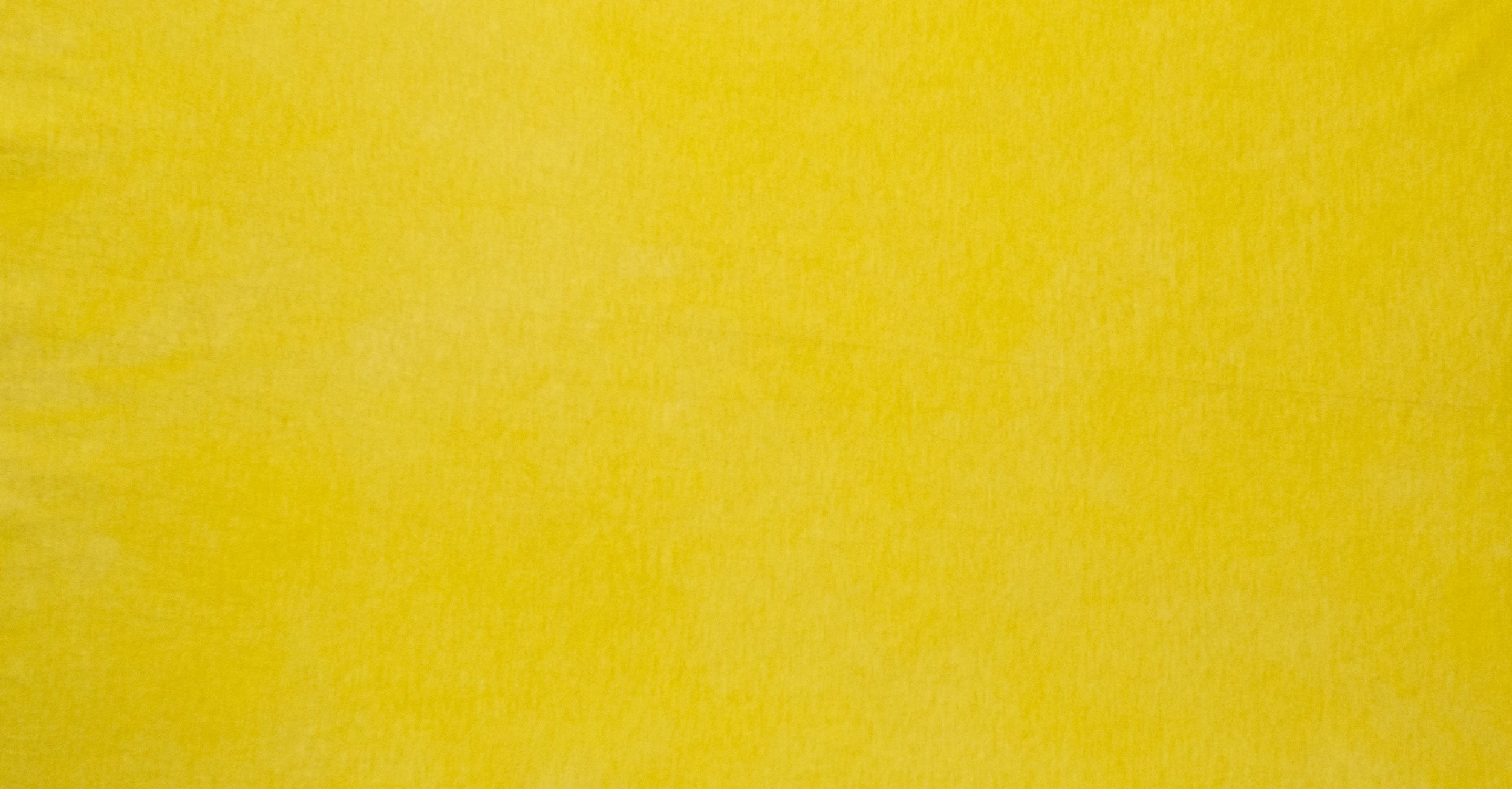
Weld dyed on an aluminum mordant produces one of the clearest and most lightfast of all the natural yellows. It does not have an orange undertone like some other natural yellows, nor is it too far to the green side of the yellow spectrum. It dyes easily on wool and the color tends to exhaust onto well-mordanted fiber, leading to easy rinsing and good resistance to crocking. It can be used on its own, or in combination with other colors to get compound shades (overdyeing with indigo will produce a true green). Note that it dyes best with plenty of calcium in the bath, and at a slightly alkaline pH. Adding a little calcium carbonate (chalk) to the dye bath will satisfy both conditions.
Wool yarn, 2% WOF
Wool yarn, 5% WOF
Wool yarn, 8% WOF
Fill your dye pot with enough hot water for your fibers to move around freely.
[Optional] Add 1-2 grams of calcium carbonate per gallon of water in the dye pot. Weld requires plenty of calcium to develop a good color, and the deepest yellows develop in a slightly alkaline bath (around pH 8). Calcium carbonate both supplies the necessary calcium, and buffers the the bath at the ideal, slightly alkaline pH. Adding calcium carbonate is only optional if you have extremely hard water to start with (such as we have in north central Washington), in which case the bath may already contain adequate calcium.
Weigh out the appropriate weight-of-fabric (WOF) of French Weld Extract powder. Use 2% for a pastel yellow, 5% for a lemon yellow, or 8% for a dark sun yellow. Add the powder to the dye bath and mix well until any clumps are dissolved.
Add your wetted, alum-mordanted wool to the dye bath.
Heat the dyebath to 180°F very gradually, over the course of about 30 minutes, stirring regularly so that the wool dyes evenly. Maintain this heat for 1 hour and continue to stir occasionally. After 1 hour, turn off the heat and allow to cool to room temperature.
When the wool is cool enough to handle safely, remove with tongs and rinse well in warm water until the water runs clear. Soap or detergent should not be necessary, because the color in the dye bath should have mostly exhausted onto the wool. However, if necessary, wash with a pH-neutral detergent like Synthrapol. Follow the manufacturer’s directions for best results. CAUTION: French Weld Extract may bleed if not thoroughly rinsed.
Hang up to dry out of direct sunlight.
6. Sun Yellow on Cotton/Linen
French Weld Extract works just as well on plant fibers like cotton and linen as it does on wool. However, the exact shade of yellow may vary somewhat depending on how the fibers were mordanted and what sort of tannin (if any) was used to treat them before mordanting. The very darkest, most opaque shades will be obtained by using oak gall tannins in combination with aluminum acetate; clearer yellows are obtained by using sumac or tara tannins.
Aluminum acetate + tannin + 7% WOF
Aluminum acetate + 5% WOF
Prepare the cotton or linen fibers by mordanting them with Aluminum Acetate, Aluminum Lactate, or Aluminum Formate Pro. See each product page for directions. For the darkest shades of yellow, use a tannin in combination with the mordant.
Fill your dye pot with enough hot water for your fibers to move around freely.
[Optional] Add 1-2 grams of calcium carbonate per gallon of water in the dye pot. Weld requires plenty of calcium to develop a good color, and the deepest yellows develop in a slightly alkaline bath (around pH 8). Calcium carbonate both supplies the necessary calcium, and buffers the the bath at the ideal, slightly alkaline pH. Adding calcium carbonate is only optional if you have extremely hard water to start with (such as we have in north central Washington), in which case the bath may already contain adequate calcium.
Weigh out the appropriate weight-of-fabric (WOF) of French Weld Extract powder. Use 5% for a bright lemon yellow, or 7% for a dark sun yellow (although note that final color will depend very much on how the fibers were mordanted). Add the powder to the dye bath and mix well until any clumps are dissolved.
Add your wetted, aluminum-mordanted cotton or linen to the dye bath.
Heat the dyebath to 180°F very gradually, over the course of about 30 minutes, stirring regularly so that the fibers dye evenly. Maintain this heat for 1 hour and continue to stir occasionally. After 1 hour, turn off the heat and allow to cool to room temperature.
When the fibers are cool enough to handle safely, remove with tongs and rinse well in warm water until the water runs clear. If necessary, wash with a pH-neutral detergent like Synthrapol. Follow the manufacturer’s directions for best results. CAUTION: French Weld Extract may bleed if not thoroughly rinsed.
Hang up to dry out of direct sunlight.
7. Tin Yellow & Orange on Woolens
When weld is dyed with tin, the result is a clear and luminous yellow. As is often the case, the best results are obtained from dyeing in a single bath with tin and oxalic acid, rather than using tin as a pre-mordant. The following recipe is adapted from Gardner’s “Wool Dyeing, Part II,” published in 1896. Although it produces a nice yellow, it is not too different from the yellow produced by dyeing weld on aluminum. This recipe is perhaps more interesting as a base for dyeing oranges by adding a little cochineal to the bath. Note that stannous chloride and oxalic acid are hazardous chemicals, so this recipe should only be attempted with the proper safety precautions. Be sure to read all the safety notes before beginning.
Wool yarn, 5% WOF
Wool yarn, 10% WOF
10% WOF + 1% Cochineal
Prepare the woolen fibers by scouring them well, but do not mordant them. They should be clean and fully wetted out before going into the dye pot.
Fill your dye pot about 1/3 of the way full with hot water. We want to start with hot water here to help the extract powder dissolve, but then we will cool the bath down with cold water before adding the mordant.
Weigh out the appropriate weight-of-fabric (WOF) of French Weld Extract powder. Use 5% for a light canary yellow, or 10% for a medium canary yellow. Add the powder to the dye bath and mix well until any clumps are dissolved.
[Optional] If you are aiming for an orange shade, extract the color from some dried cochineal and add the extraction liquid to the dye bath along with the French Weld Extract. We have used 1% cochineal as an example, but you can you more or less cochineal to adjust the shade of orange to your liking.
Once the extract is dissolved, fill the dye pot with enough cool water for your fibers to move around freely. We want the dye bath to be around room temperature when we add the mordant. If the bath is too hot, the mordant may start to bond with the dye and precipitate prematurely (which we do not want).
Weight out 4% cream of tartar and 2% oxalic acid [see Warning]. Add these to these bath and mix well until dissolved.
Weight out 5% tin powder (stannous chloride). Add the dye bath and mix well until dissolved.
Gently place your scoured, unmordanted wool in the dye bath.
Let the woolen fibers sit in the bath for 15 minutes before turning on the heat. This well help the bath liquid to penetrate the wool fully and evenly, leading to a more level (even) dye job.
Heat the dyebath to 180°F very gradually, over the course of about 30 minutes, stirring regularly so that the wool dyes evenly. Maintain this heat for 1 hour and continue to stir occasionally. After 1 hour, turn off the heat and allow to cool until the wool can be handled safely.
When the wool is cool enough to handle safely, remove with tongs and rinse well in warm water until the water runs clear. Soap or detergent should not be necessary, because the color in the dye bath should have mostly exhausted onto the wool. However, if necessary, wash with a pH-neutral detergent like Synthrapol. Follow the manufacturer’s directions for best results. CAUTION: French Weld Extract may bleed if not thoroughly rinsed.
Hang up to dry out of direct sunlight.
WARNING: Tin mordant (stannous chloride) and oxalic acid are both corrosive acids and hazardous chemicals. They can both cause permanent eye damage. Do not attempt this recipe unless you have full protective gear, including gloves, eye protection, and a respirator mask, as well as an outdoor dyeing setup to dissipate fumes. Read the manufacturer’s SDS for each chemical, and observe all recommended safety precautions. If you follow this recipe you agree that Shepherd Textiles LLC is not responsible for any adverse consequences of dyeing with stannous chloride or oxalic acid.
TROUBLESHOOTING: Single-bath methods work by using a strong acid like oxalic acid to keep the mordant and dye dissolved in the dye bath. Without the acid, they would tend to bond to each other and precipitate as free-floating pigment particles (which we do not want) instead of precipitating directly on the fiber (which we do want). Ideally, the dye bath should remain completely transparent after the tin mordant is added. If you see tiny little whiteish flakes begin to float around in the liquid, that means the tin is not being held fully in solution and is in danger of precipitating. This can happen for several reasons, but the most likely is that the bath is not sufficiently acidic. If this happens, it does not mean the bath is ruined — if the tin has not fully precipitated, there is a good chance it will redissolve when the bath heats up and everything will work out fine — but it does mean that the next time you follow the recipe, you might want to add another 1% or 2% oxalic acid.
8. Olive on Woolens
Like many natural yellow dyes, French Weld Extract shifts toward an olive green shade in the presence of iron. By using different amounds of dye, the color can be varied from a light sage shade to a dark khaki green.
Wool yarn, 0.5% WOF
Wool yarn, 2% WOF
Wool yarn, 5% WOF
Prepare the fibers by pre-mordanting them with iron instead of alum. Follow the directions for mordanting wool in Section 4, but instead of using 10% alum, use 5% iron (ferrous sulfate) and 10% cream of tartar. The mordanting process is otherwise exactly the same.
Fill your dye pot with enough warm water for your fibers to move around freely.
[Optional] Add 1-2 grams of calcium carbonate per gallon of water in the dye pot. Weld requires plenty of calcium to develop a good color, and the deepest olives develop in a slightly alkaline bath (around pH 8). Calcium carbonate both supplies the necessary calcium, and buffers the the bath at the ideal, slightly alkaline pH. Adding calcium carbonate is only optional if you have extremely hard water to start with (such as we have in north central Washington), in which case the bath may already contain adequate calcium.
Weigh out the appropriate weight-of-fabric (WOF) of French Weld Extract powder. Use 0.5% for a warm sage green, 2% for a light olive green, or 5% for a medium to dark olive green. Add the powder to the dye bath and mix well until any clumps are dissolved.
Add your wetted, iron-mordanted wool to the dye bath.
Heat the dyebath to 180°F very gradually, over the course of about 30 minutes, stirring regularly so that the wool dyes evenly. Maintain this heat for 1 hour and continue to stir occasionally. After 1 hour, turn off the heat and allow to cool to room temperature.
When the wool is cool enough to handle safely, remove with tongs and rinse well in warm water until the water runs clear. Soap or detergent should not be necessary, because the color in the dye bath should have mostly exhausted onto the wool. However, if necessary, wash with a pH-neutral detergent like Synthrapol. Follow the manufacturer’s directions for best results. CAUTION: French Weld Extract may bleed if not thoroughly rinsed.
Hang up to dry out of direct sunlight.
*All text and images are copyright of Shepherd Textiles, LLC. Do not reproduce without permission and attribution.