

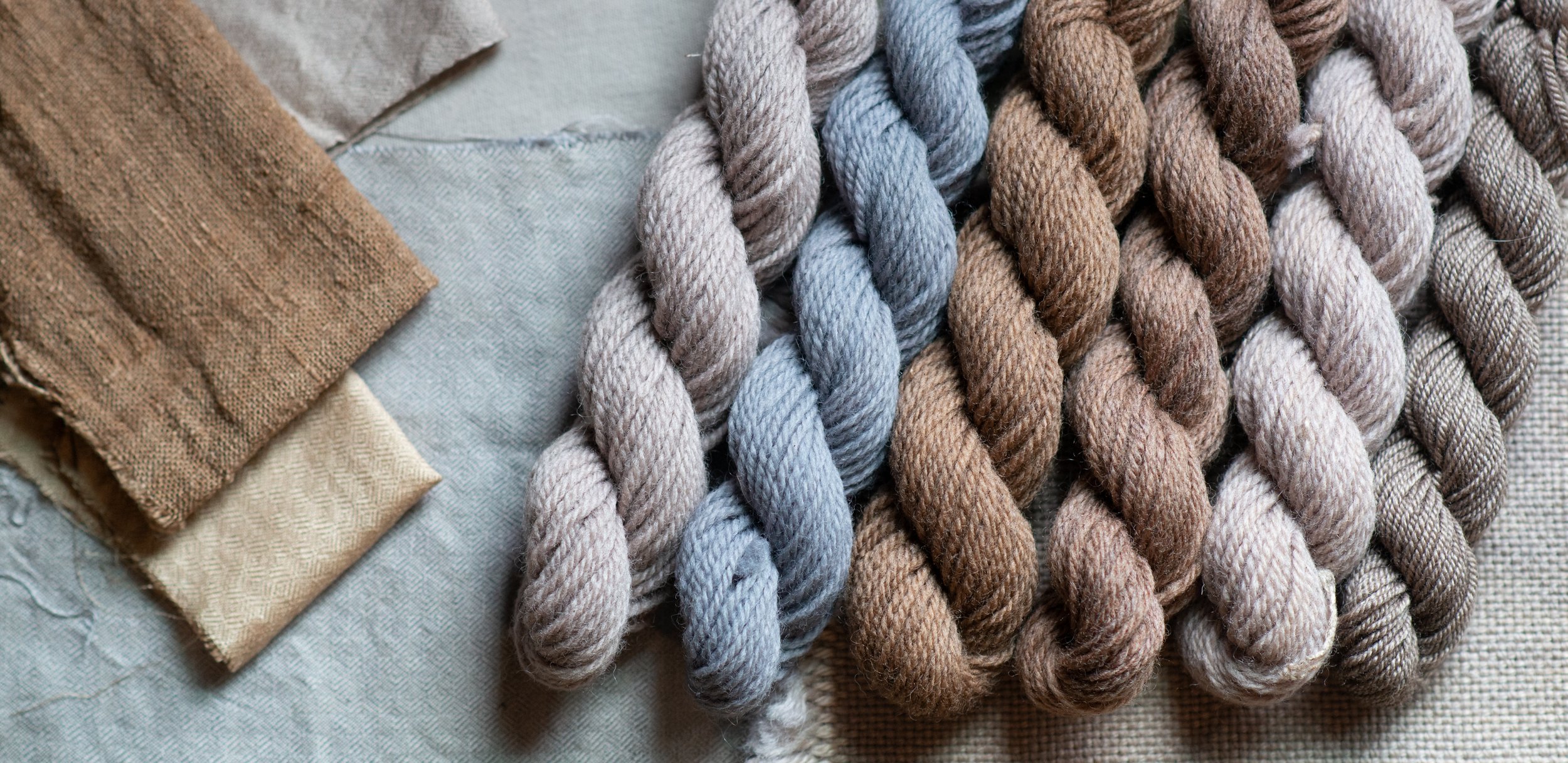
THE COLORS OF NATURE
No industrial chemicals and no synthetics: just roots, leaves, flowers, and bark. Our premium natural dyes and dye extracts put all the colors of nature at your fingertips. Check out our detailed guides complete with instructions and color recipes.
THE COLORS OF NATURE
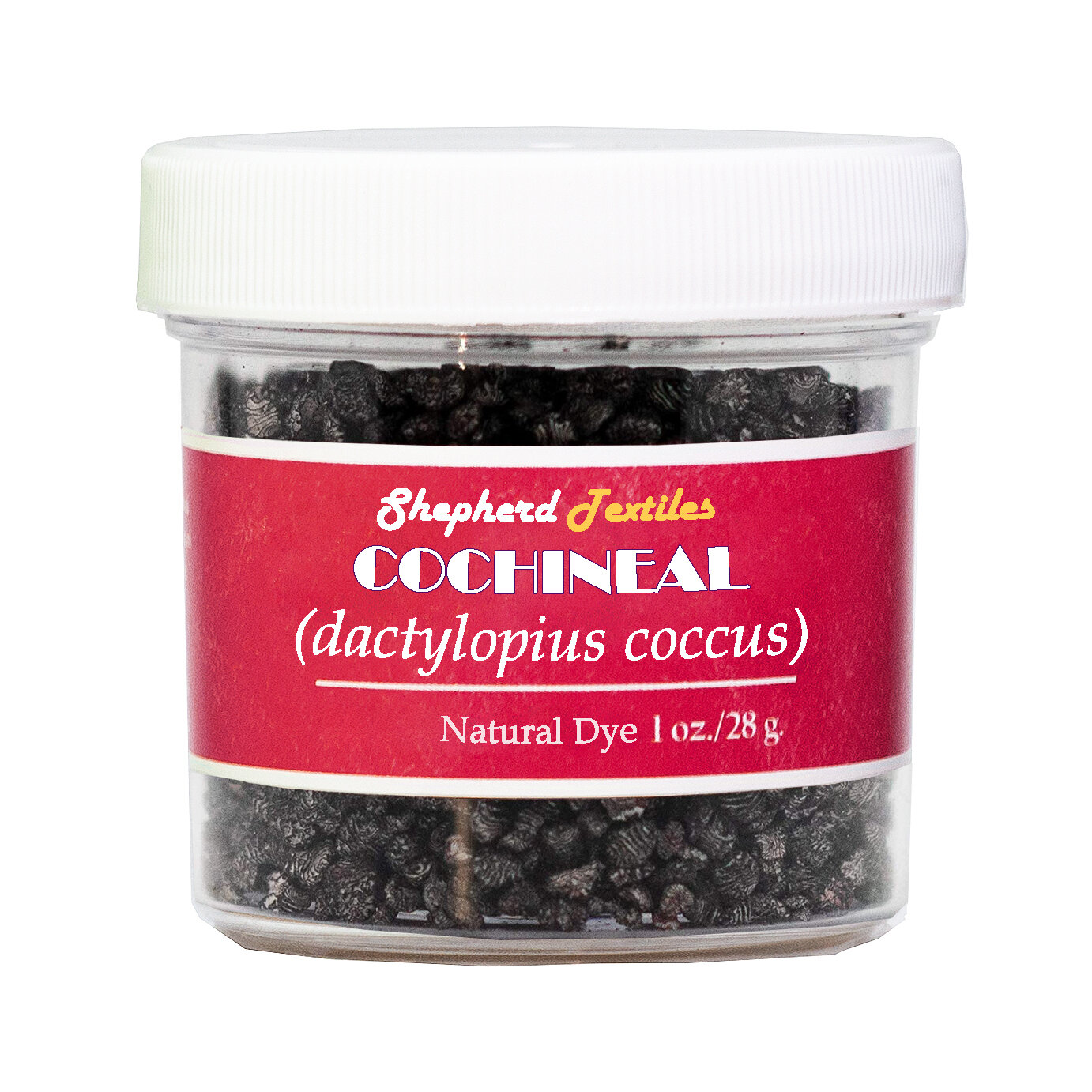
Cochineal is a scale insect, dactylopius coccus, that grows on cactuses in the dry regions of Mexico and South America. Cochineal naturally produce carminic acid, which is one of the strongest and most color-fast natural dyes. It was used for centuries by pre-Columbian dyers, and it was coveted by European dyeing houses in the 17th and 18th centuries as a less fickle alternative to madder. Cochineal was even the source for the famous crimson red of the British Army’s “Redcoats” in the late 1700s. Carminic acid can produce an amazing range of colors, from pale pinks and magentas through to intense crimsons and dark purples. The major variable is PH. With an alum mordant, neutral PH produces purpleish mauves; alkaline PH shifts to dark purple; and adding cream of tartar to acidify the dyebath changes the color to cherry red. Crimson can be achieved by pre-mordanting with tin and cream of tartar. Cochineal can also be applied successfully to protein fibers without a mordant, although cotton will need to be properly tanned and mordanted for best results.
We import our cochineal direct from a farm in the high deserts of Peru, about an hour outside of Arequipa. It is harvested from prickly-pear cactuses that are grown without any pesticides or chemical fertilizers. It contains 24% carminic acid by weight, and is the strongest cochineal available on the market.
Before using, please read our Guide to Dyeing with Cochineal for color recipes, background, and safety information.

Shepherd Textiles Wild Madder Extract is made from the wild-growing roots of Rubia tinctorum, the true Turkish madder. Historically, madder was the most important of the natural red dyes because it gives deeply saturated, lightfast shades of red. However, raw madder roots are extremely complex: they contain a variety of anthraquinone dye compounds, including yellow, brown, and purple pigments, which can shift the color of the dye bath. Our Wild Madder Extract contains fewer of those compounds and a higher proportion of the red pigment alizarin, which makes it possible to consistently produce beautiful, clear scarlet shades. Just 5% weight-of-fabric (WOF) will produce intense reds on fibers that have been thoroughly mordanted with alum. One ounce of extract will dye up to a pound of fiber to deep red, or up to two pounds to pale pink and peach colors.
Before using, please read our Guide to Dyeing with Wild Madder Extract for color recipes, background, and safety information.
Product of India. Produced by a GOTS (Global Organic Textile Standard) certified manufacturer.
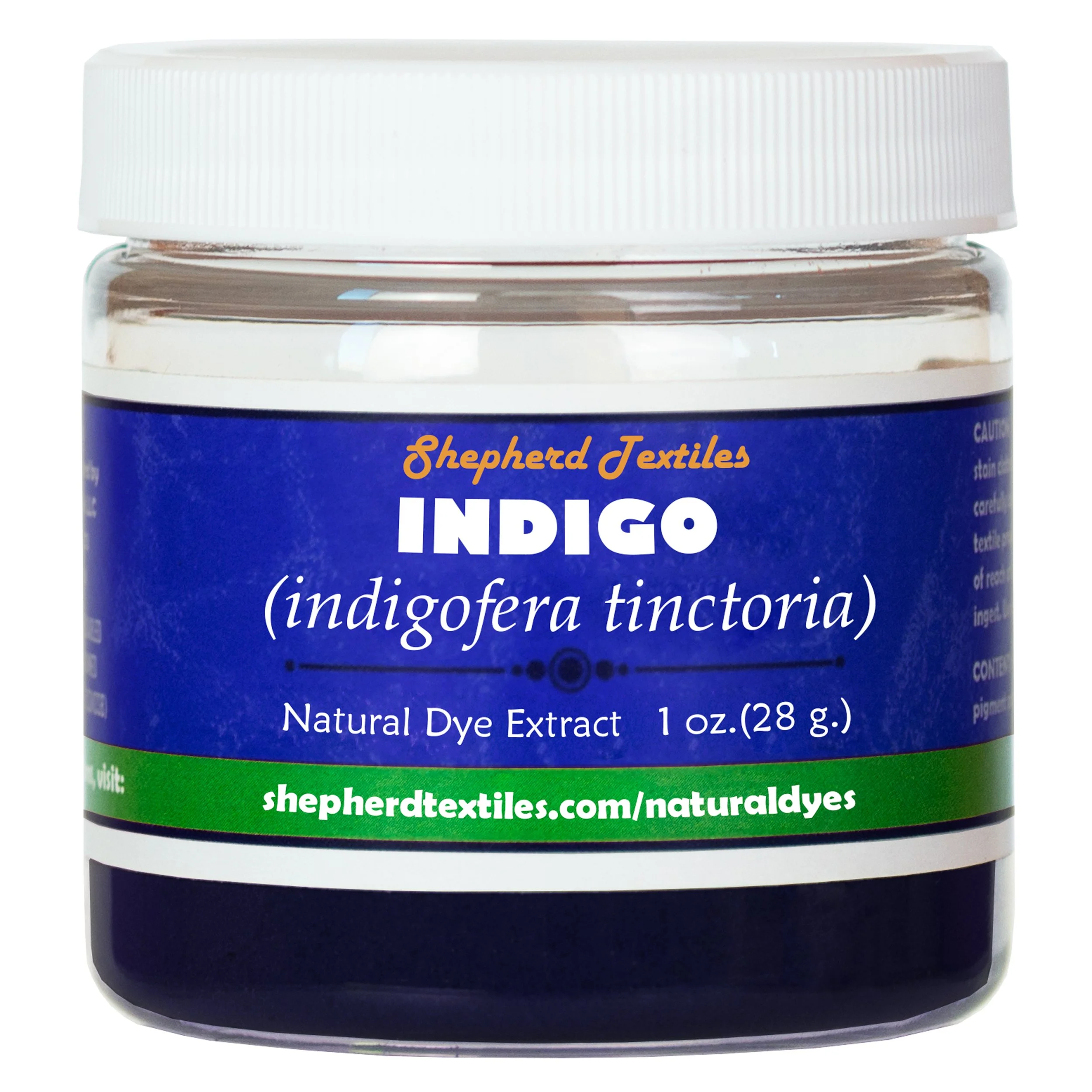
Shepherd Textiles Indigo Extract Natural Dye is extracted from the leaves of the indigo plant indigofera tinctoria. Indigo contains a blue pigment called indigotin that is the strongest of the natural blue dyes. Indigo is unique among the natural dyes in that it is not applied by dissolving it in a dye bath. The indigotin pigment is insoluble in normal water and it will not dissolve until the water is reduced (there is no dissolved oxygen gas in it) and alkaline (PH of 10 or above). To create these conditions, it is necessary to build what is referred to as a “reduction vat.” There are a variety of techniques for doing this, ranging from a quick and easy chemical vat (thiourea dioxide + soda ash) to the much more pleasant-smelling and friendly banana vat (boiled banana water + pickling lime). Once the vat is constructed, the indigo will dissolve and turn clear. After that, wetted fibers are dipped in the vat. When they are pulled out, oxygen in the air forces the dissolved indigo out of solution and turns the fiber blue. Indigo is available in many forms; we selected ours for both dyeing strength and environmental responsibility. Our indigo is sourced from farms in southern India that practice sustainable agriculture: after the dyestuff is extracted, the spent leaves are composted for fertilizer and the wastewater from extraction is returned to the fields to water the next crop. Our indigo contains up to 40% indigotin by weight, making it twice as strong as most indigos on the market. One ounce will dye a pound of fiber to a very dark midnight blue.
Please read our Guide to Dyeing with Indigo Extract for color recipes, background, and safety information.
Product of India. Produced by a GOTS (Global Organic Textile Standard) certified manufacturer.

Shepherd Textiles French Weld Extract is made from the blossoms of reseda luteola, a plant also known as Weld or Dyer's Rocket. The flowers are farmed organically in the Languedoc region of southern France, and dried naturally during the hot summers. It contains up to 50% more dyestuff than weld grown by industrial farming methods. Weld is the classic yellow plant dye, used for centuries in tapestries and rugs. It is celebrated by dyers because it gives clear, strong, light-fast yellows that stand up to washing and sunlight. It is appropriate for all natural fibers, including wool, silk, cotton, and alpaca, and gives bright shades ranging from lemon to intense neon yellow. With an iron mordant, the color shifts to olive green.
Before using, please read our Guide to Dyeing with French Weld Extract for color recipes, background, and safety information.
Product of France. Produced by a GOTS (Global Organic Textile Standard) certified manufacturer.
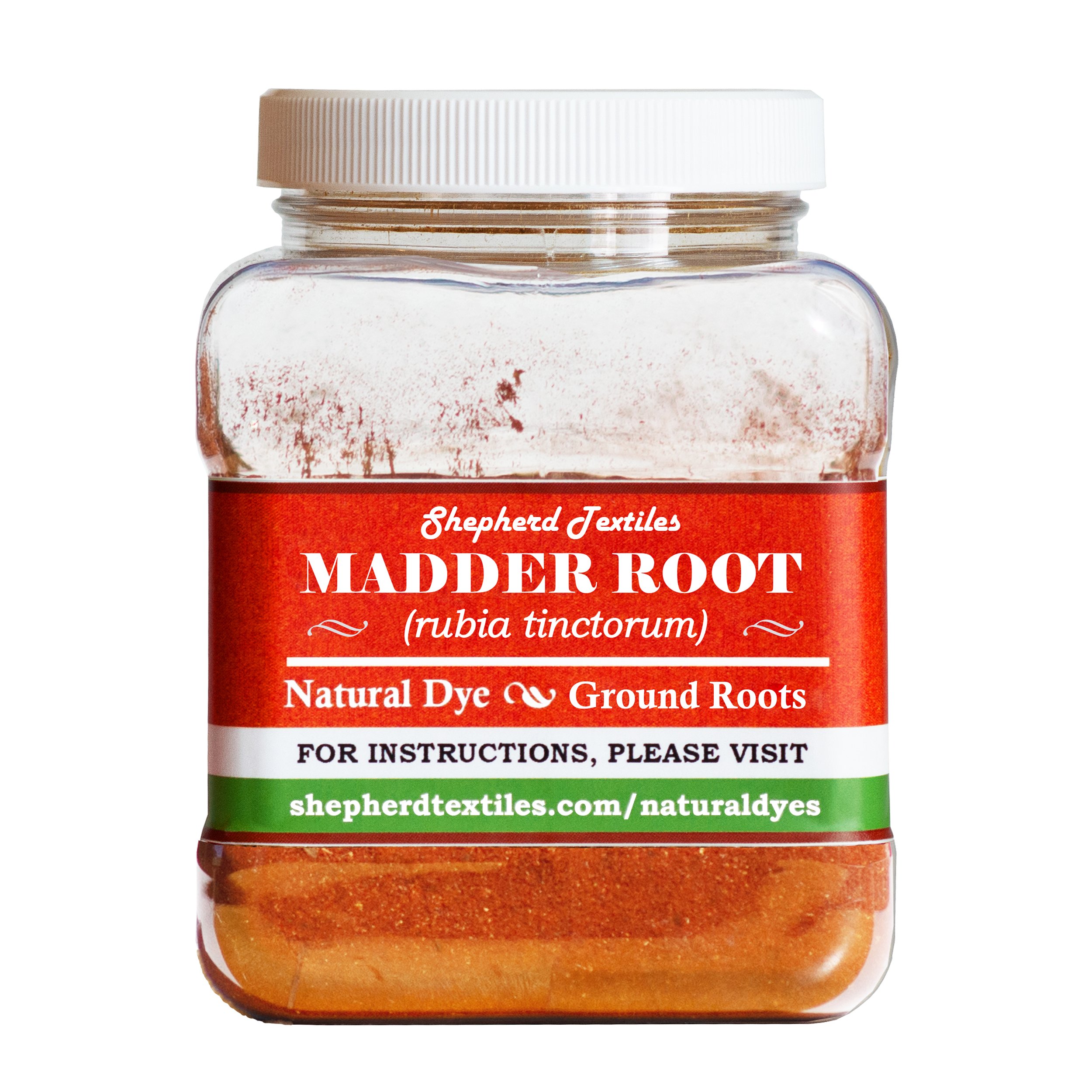
Shepherd Textiles Madder Root Natural Dye contains the ground roots of rubia tinctorum, the true Turkish madder. Madder was historically the most important of the natural red dyes because it can produce deeply saturated, lightfast shades of scarlet and crimson. Madder, however, is a remarkably complex root. It also contains yellow, purple, orange, and brown pigments, and dyers in Europe and Asia spent many centuries working out the best ways to extract a clear red. Our madder is an extremely potent grade that we import direct from northern India, and it contains a high proportion of the red dye alizarin. Following the tips in our dyeing guide, it will consistently produce a bright, clear scarlet color using 100% weight-of-fabric.
Before using, please read our Guide to Dyeing with Madder Root for color recipes, background, and important safety information.
Product of India. Produced by a GOTS (Global Organic Textile Standard) certified manufacturer.
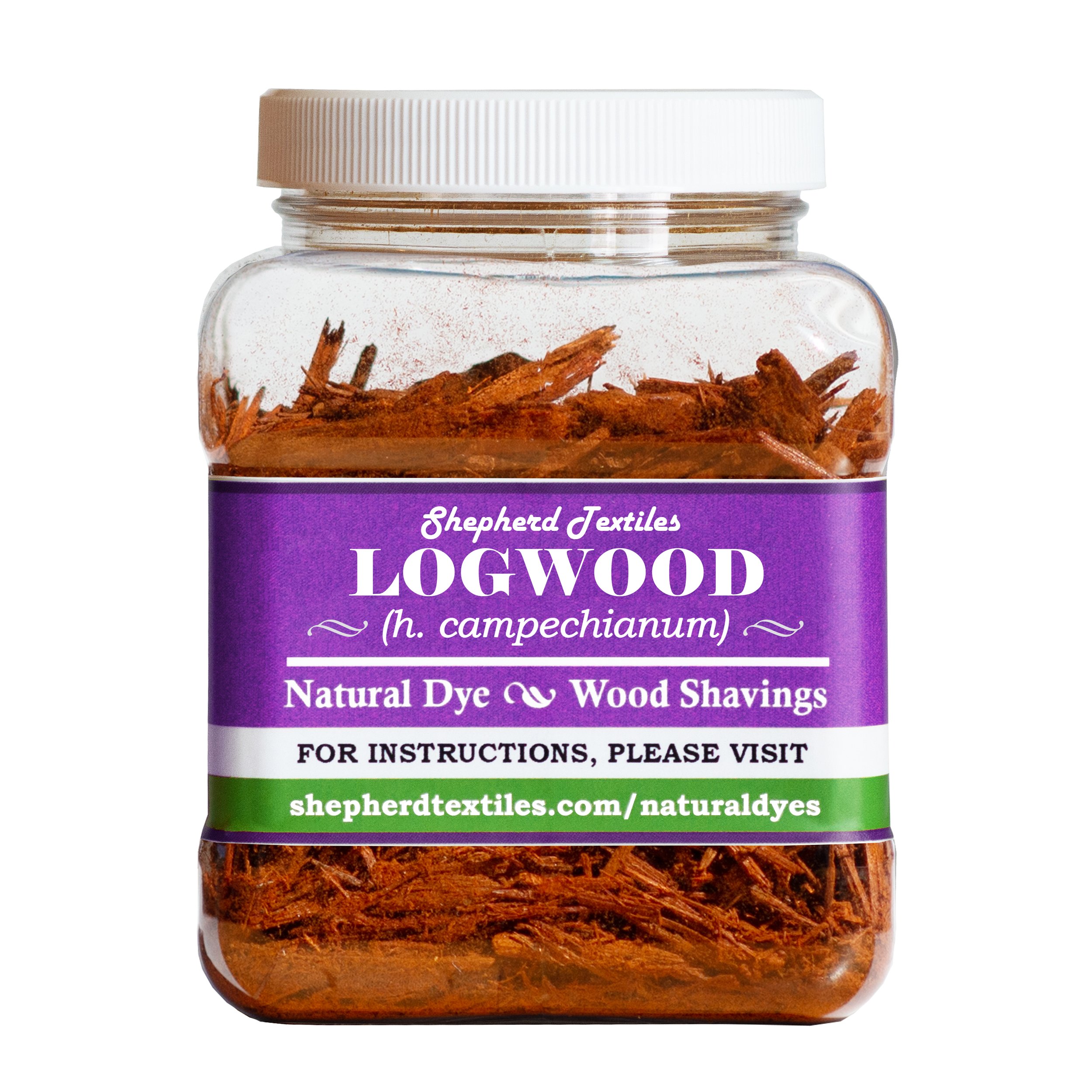
Shepherd Textiles Logwood Natural Dye contains the chipped and shaved heartwood of haemotoxylin campechianum, the Campeche Logwood tree. Logwood contains a purple pigment called hematein which has a very strong affinity for natural fibers; it gives rich, saturated shades without too much difficulty. Logwood is most famous for the beautiful royal purples that it produces on fibers mordanted with alum, but the color changes dramatically with different mordants. Paired with copper it gives steely dark blues, and with iron it gives greys and blacks. Our logwood shavings are extremely potent, and will produce dark purples and midnight blues using just 25% weight-of-fabric on well-mordanted fiber.
Before using, please read our Guide to Dyeing with Logwood Shavings for color recipes, background, and safety information.
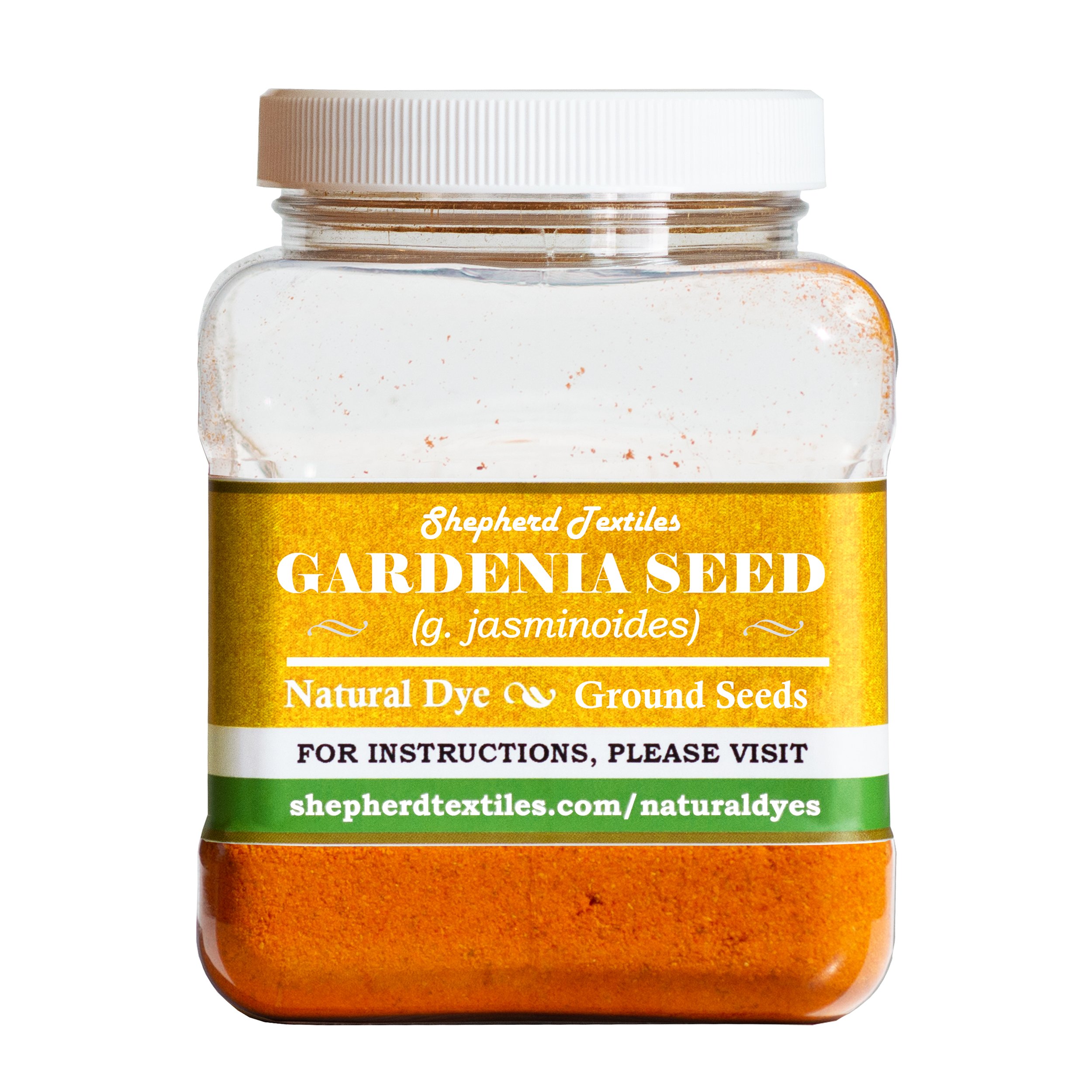
Shepherd Textiles Gardenia Seed Natural Dye contains the ground fruits and seeds of the cape jasmine, gardenia jasminoides. Gardenia seeds have been used for centuries as a natural dye in China, Korea, and Japan. They contain a powerful yellow pigment called crocin—the same dyestuff that gives saffron its color. Crocin has an exceptional affinity for silk, and gardenia seeds were one of the sources of the saffron-colored robes worn by Theravada monks in antiquity. Gardenia seeds also dye wool and cotton well, even without a mordant. This is a strong, easy-to-use natural dye that is perfect for both beginners advanced dyers. Our ground gardenia seeds are imported from South Korea, and give strong colors at 40% weight-of-fabric.
Before using, please read out Guide to Dyeing with Gardenia Seed for background, color recipes, and important safety information.
Product of South Korea.

Shepherd Textiles Red Sandalwood contains the finely ground heartwood of the true Red Sandalwood tree, pterocarpus santalinus. Red Sandalwood contains a pigment called santalin that dyes shades of brick red on natural fibers. Santalin is mostly insoluble in water, so different extraction techniques are required. You will need either grain spirits (e.g., cheap vodka) or soda ash and cream of tartar to get the best colors. Red Sandalwood has a good affinity for all protein fibers, and gives lighter strawberry shades on cotton. Our Red Sandalwood comes from non-endangered forestries in Andhra Pradesh. Use at 30% weight-of-fabric for a pleasant terracotta red, or 100% weight-of-fabric for a deeply saturated brick red.
Please read our Guide to Dyeing with Red Sandalwood before using for extraction instructions, color recipes, and important safety information. For more detailed background research and notes on our experiments, visit our page Experiments with Red Sandalwood Dye.
Product of India.

WILD ANDEAN VICUÑA
With an average fiber diameter of only 13 microns, vicuña is the world’s finest natural fiber. We import vicuña yarn from mills in Italy, and our vicuña roving comes direct from South America. Discover the softness of the world’s most luxurious fiber: a treasured gift, or the perfect treat to spoil yourself.
WILD ANDEAN VICUÑA
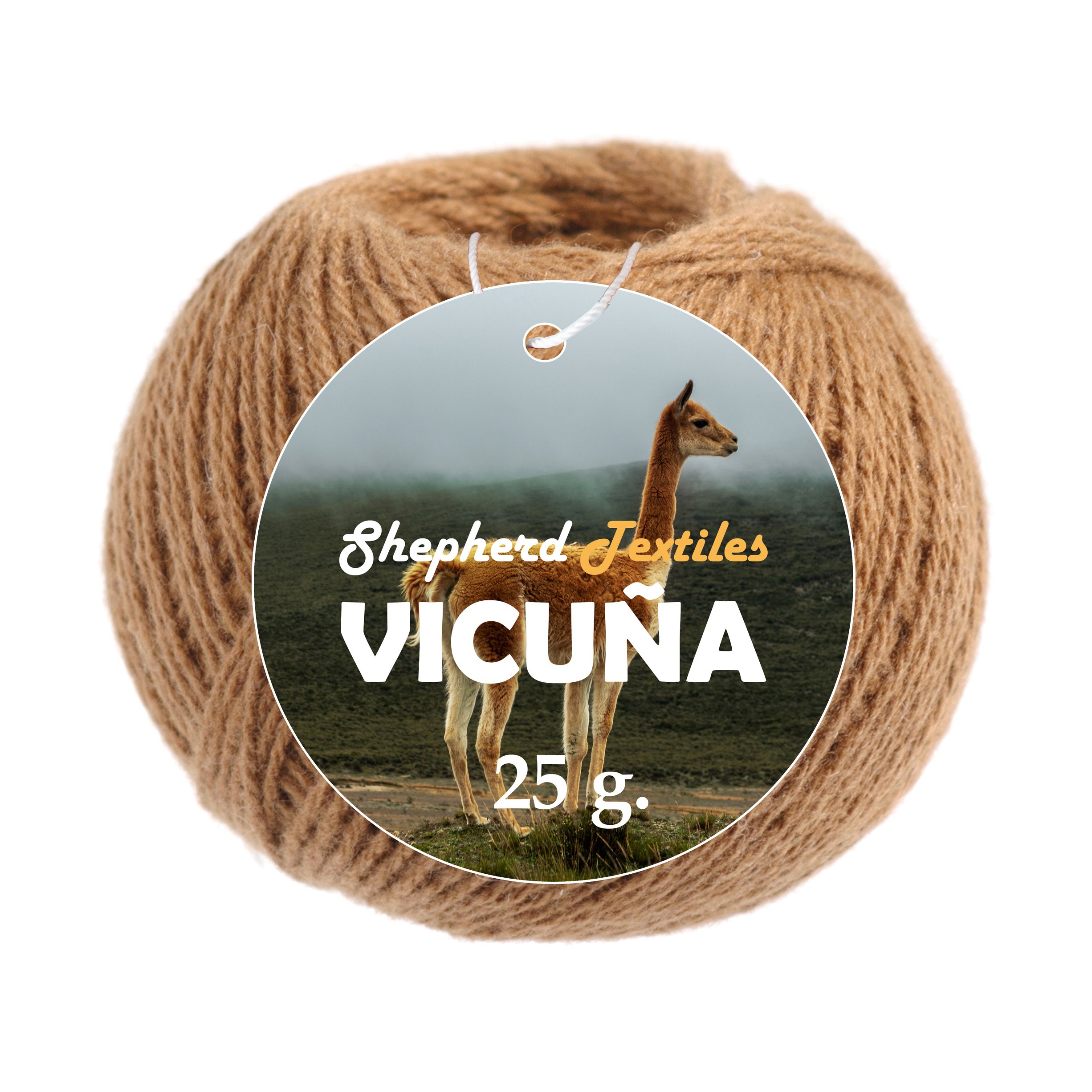
The most luxurious knitting yarn on the market. Spun for us in Italy from 100% pure wild vicuña fiber, this fingering-weight yarn is warm, elegant, and soft as a cloud. It comes from the same Italian mill that supplies the haute couture fashion houses, but this triple-ply, fingering weight yarn is a custom product spun just for us. It is the thickest, fluffiest vicuña yarn available anywhere. It has the warm cinnamon hue of natural vicuña and an unbelievably soft hand. It will produce scarves, hats, gloves, and shawls of unparalleled luxury. The mill recommends a 3 mm needle for knitting; for weaving, we suggest a tabby sett at 15 ends per inch. For more information about vicuña fiber and the vicuña trade, please check out the Frequently Asked Questions on our main vicuña page.
Sold in 25 gram center-pull balls. Each ball is approximately 130 meters (142 yards) long. Arrives in a handsome black gift box. Each skein is individually numbered and includes a certificate of authenticity.
* All Shepherd Textiles vicuña products are imported under license by the U.S. Fish and Wildlife Service, and in accordance with the Convention on International Trade in Endangered Species (CITES). Our vicuña is fully traceable to healthy wild populations listed in Appendix II of the treaty. Please note that all sales of vicuña products are final.
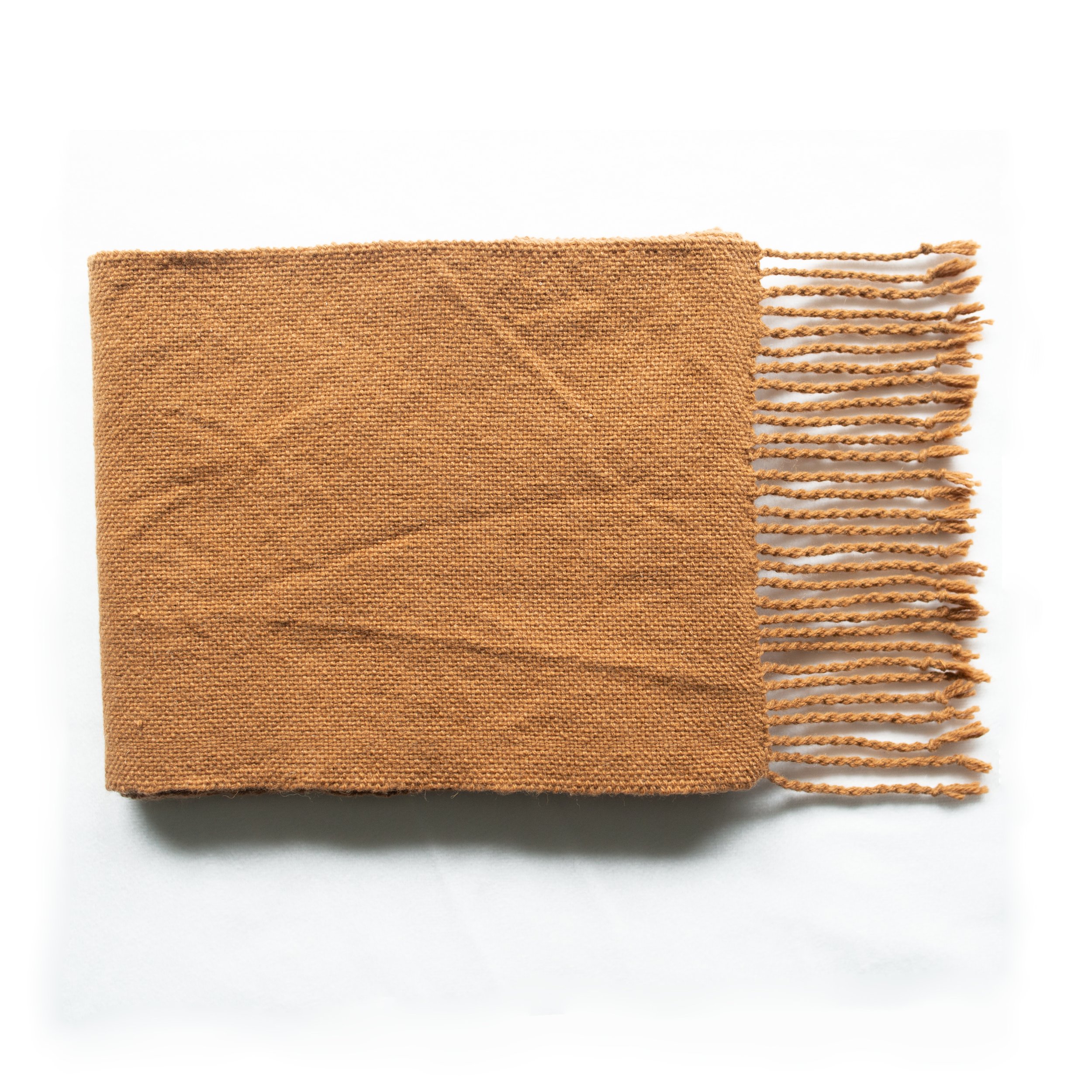
An elegant combination of luxury and craftsmanship, this Vicuña Scarf was woven by hand on a Glimakra wooden loom at our studio in Washington. It features a classic tabby pattern in which both the warp and the weft are our own fingering-weight (3/16) Vicuña Yarn. The thicker weight gives the scarf a buttery soft feel and makes it an absolute pleasure to wear. Shepherd Textiles is the only handweaving studio in the world working with real 100% wild vicuña, and this handwoven vicuña scarf is one-of-a-kind. An excellent gift for the man or woman who appreciates the best that nature has to offer.
We import vicuña fiber and yarn direct from mills in Italy and South America, and all our vicuña products are traceable to healthy wild populations listed in Appendix II of the Convention on International Trade in Endangered Species (CITES). All sales include a certificate and guarantee of authenticity; please note that all sales of vicuña products are final. To learn more about vicuña fiber, check out the Frequently Asked Questions on our main vicuña page.
3.2 oz. (90 g.); 68 inches long (74 inches long including the fringe); 7” wide. Hand wash in cold water with gentle detergent and lay flat to dry; avoid rubbing while wet. Made in the USA from 100% wild vicuña.

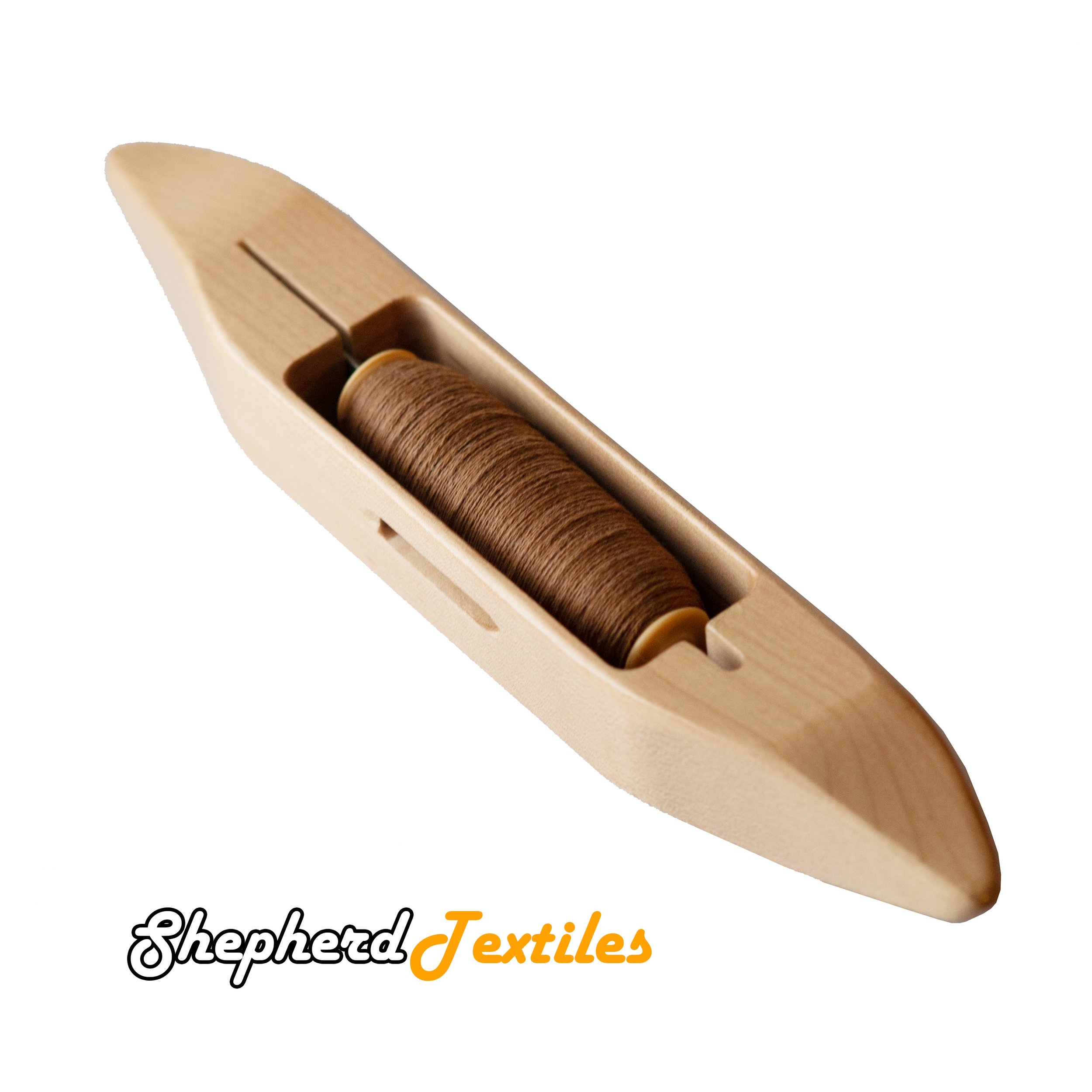

The most luxurious weaving yarn on the market. Spun in Italy from 100% pure wild vicuña fiber, this lace-weight yarn is warm, elegant, and soft as a cloud. It comes from the same Italian mill that supplies the haute couture fashion houses, and this yarn is used by many elite designers for their finest woven goods. Our 2/28 lace-weight vicuña yarn has the warm cinnamon hue of natural vicuña and an unbelievably soft hand. It will produce scarves, shawls, and other fabrics of unparalleled luxury. Excellent as both warp and weft, although we recommend warping under gentle tension. For more information about vicuña fiber and the vicuña trade, please check out the Frequently Asked Questions on our main vicuña page.
Each order is wound by hand onto a 4” styrene bobbin. Available as a one gram sample (14 meters / 15 yards) or as a full bobbin containing 20 grams of yarn (280 meters / 300 yards). The full bobbin size arrives in a handsome black gift box. Each lot is individually numbered and includes a certificate of authenticity.
* All Shepherd Textiles vicuña products are imported under license by the U.S. Fish and Wildlife Service, and in accordance with the Convention on International Trade in Endangered Species (CITES). Our vicuña is fully traceable to healthy wild populations listed in Appendix II of the treaty. Please note that all sales of vicuña products are final.
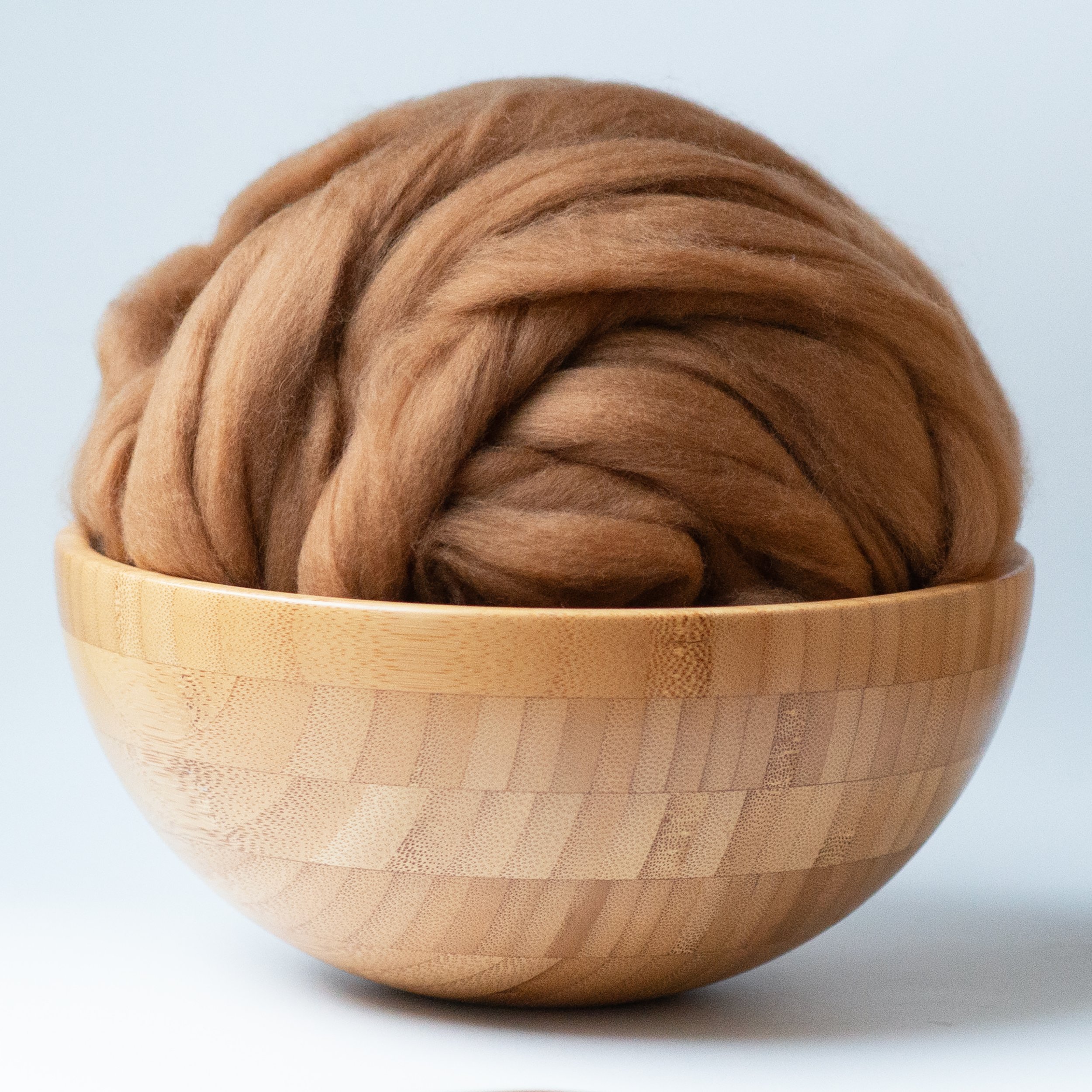
This is it: the finest and most luxurious fiber in the whole world. Vicuña are the wild ancestors of domesticated alpaca, and their wool is the finest natural fiber in existence. The Average Fiber Diameter (AFD) is only 12 or 13 microns, and many fibers measure only 7, 8, or 9 microns. Touching vicuña fiber is like touching a cloud. We source this unique wool from a mill in South America, and the supply is extremely limited. Most of the annual harvest is bought up by the elite Italian fashion designers, who turn this same fiber into luxurious yarns, scarves, suits, and jackets. We are making raw vicuña fiber available for the very first time for hand-spinners and fiber artists. Please note that wild vicuña fiber has a short staple length; the individual fibers measure between 1 inch and 1.5 inches long, so extra care is required when spinning.
To learn more about vicuña fiber and the vicuña trade, please check out the Frequently Asked Questions on our main vicuña page.
* All Shepherd Textiles vicuña products are imported under license by the U.S. Fish and Wildlife Service, and in accordance with the Convention on International Trade in Endangered Species (CITES). Our vicuña is fully traceable to healthy wild populations listed in Appendix II of the treaty. Please note that all sales of vicuña products are final. Also, note that vicuna products cannot be shipped internationally, neither by us nor by third-party shipping consolidators.
WOVEN BY HAND
WOVEN BY HAND
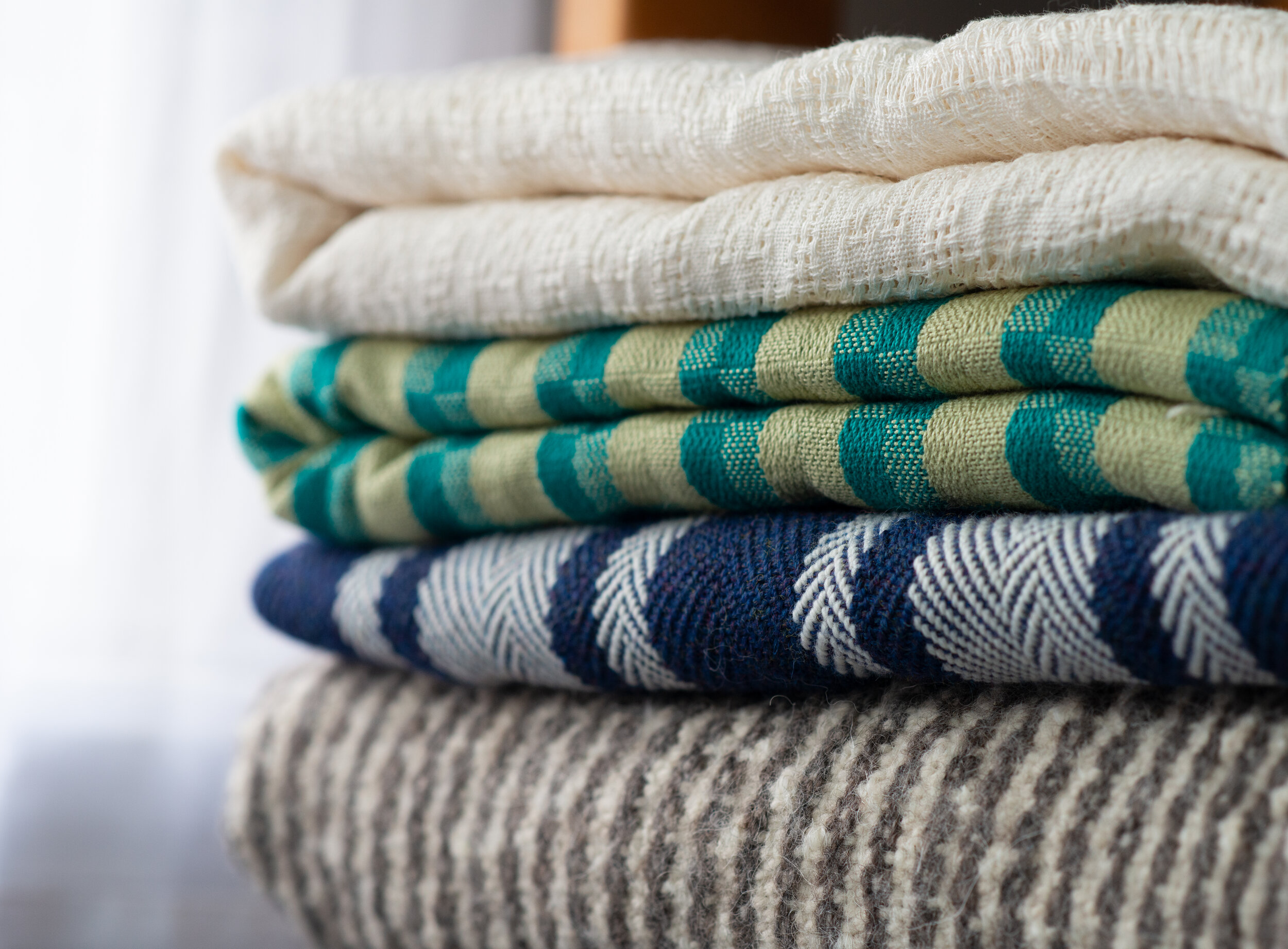
Shepherd Textiles is a weaving studio committed to keeping old traditions alive. We spin fiber into yarn, dye it with natural colors, and weave it on our collection of traditional wooden looms. We offer a changing selection of handwoven gifts, and we are always happy to discuss commissions for custom designs.

Luxurious and sophisticated, this classic houndstooth scarf was woven by hand on a Glimåkra wooden loom. We made this from some of the finest weaving yarns available today. The dark brown yarn is 100% premium Italian merino, and the cinnamon-colored yarn is a blend of 85% merino and 15% baby alpaca for extra luster. Each scarf is 7 inches wide and a generous 6.5 feet (78 inches) long, plus a short quarter-inch eyelash fringe. Lightweight but warm, soft yet lustrous, this is a scarf of understated elegance. An excellent complement to any man’s formal or casual wardrobe.
78” by 7”, 3.5 ounces (100 grams). Hand wash in cold water; lay flat to dry. Handwoven in our studio in Washington from imported Italian yarns.


Handwoven on a Macomber wooden loom, these scarves are made from our line of super-soft Baby Alpaca Yarn. Baby alpaca has absolutely no prickle, and is perfect for sensitive skin. Alpaca is warmer than sheep’s wool and hypoallergenic. Woven with a medium set, these scarves have excellent drape, and the thick 4/8 yarn makes them perfect for bundling up on a cold day. These are large, heavy-duty scarves, measuring 72” by 11.5”, with an extra 4” twisted fringe on each side. Each scarf weighs approximately 11 oz/320 g. Hand wash only, hang up to dry.
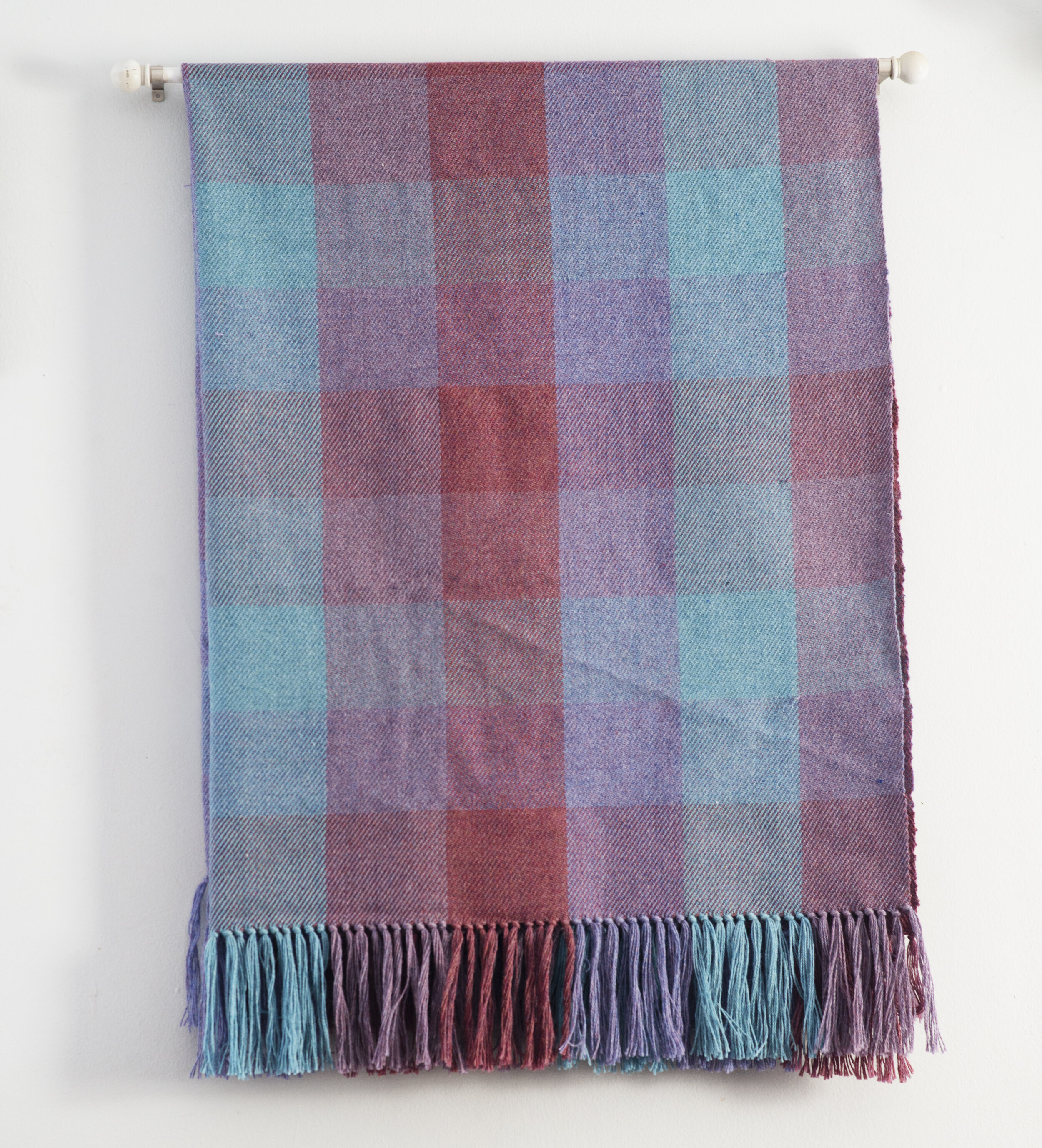
Handwoven on a Glimakra wooden loom. This beautiful, soft, 100% wool blanket was made using sport-weight 3/8 yarn sourced from a mill in Maine. The colors were inspired by the wild berries on my family’s old property in Freeport, where blueberries, blackberries, and raspberries grow abundantly every spring. The color-block design was woven in twill to create an elegant plaid pattern. This wool blanket is the perfect size for wrapping up on the sofa while you read a book or watch TV, and it will keep you warm on cool nights. 5’ wide by 6’ long—the fringes add another 6” on each side. Weighs 3 lb, 2 oz. Machine wash on delicate (cold water, low spin) and hang up to dry.
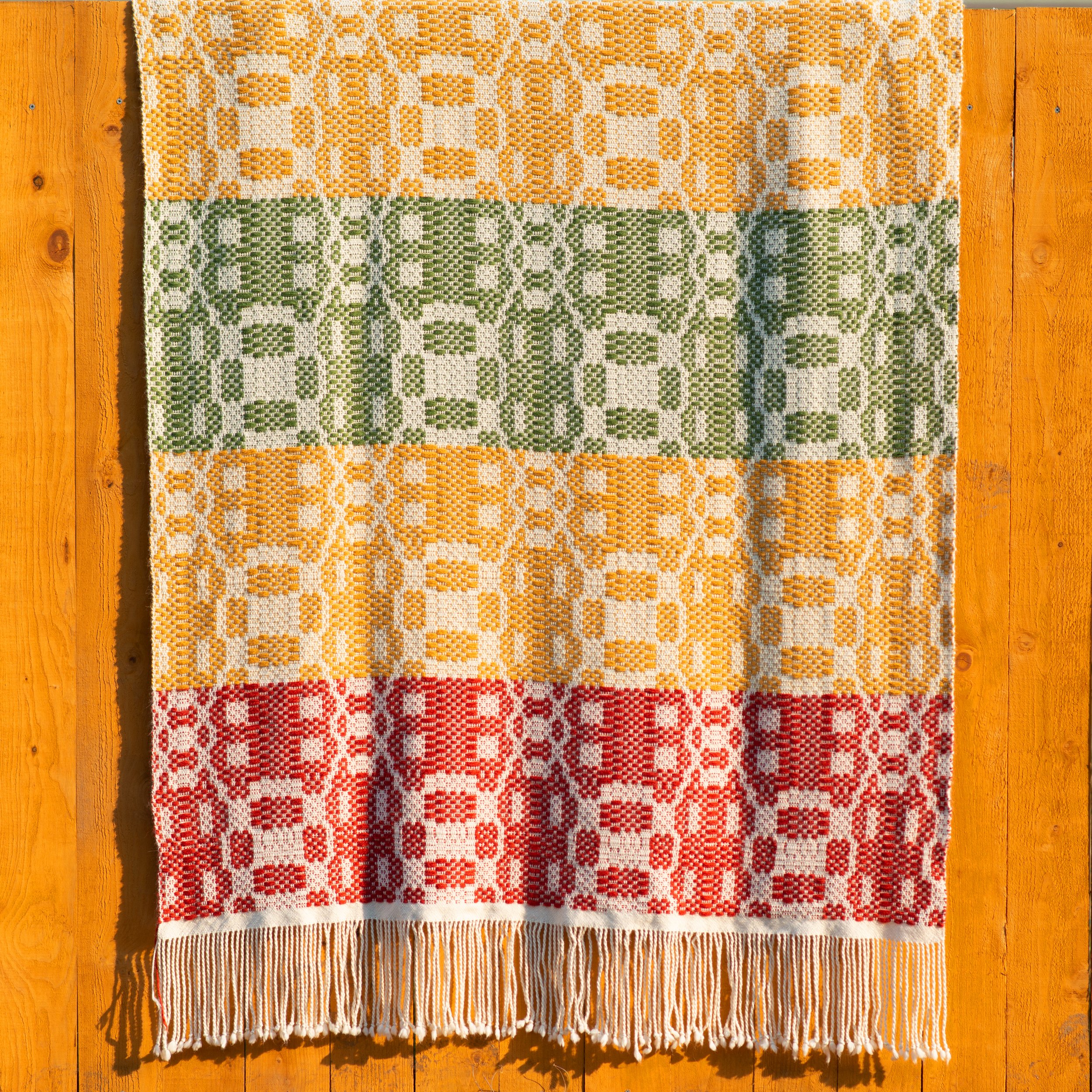
Handwoven on a Glimakra wooden loom, this lusciously soft throw or small blanket is based on a classic American Coverlet pattern from the early 1800s. Before mass-produced blankets became widely available, many American farm families would spin their own yarn and weave it into one of these traditional patterns on an old barn loom. This is an “overshot” design that has a darker side that was supposed to show in the winter, when it was too cold to wash your blankets, and a lighter side that was meant to show in the summer after a good washing.
At Shepherd Textiles, we’ve updated the traditional American Coverlet by incorporating one of the finest, softest wools in the world: baby alpaca. This coverlet was woven entirely from our 100% Baby Alpaca Yarn that we import from the highlands of Peru. This yarn is as soft as a cloud, hypo-allergenic, and prickle-free. It produces a blanket that is warm, heavy, and soft, perfect for snuggling up with a book on a cold evening. Keeping with tradition, we have added long fringe on the bottom and hand-hemmed the head for a clean and comfortable finish. This is a one-of-a-kind product that combines historical weaving methods with the finest modern materials, and nothing like it can be found anywhere else.
4.4 lbs., 79”x51.5” (79”x59” including the bottom fringe). It will just about cover a full-size mattress, although it will not quite touch the sides; it is also the perfect size for a large sofa throw. Hand wash in cool water using mild detergent; lay flat on towels to dry.
RARE FIBERS
RARE YARNS AND FIBERS
We make it our mission to source the finest weaving materials in the world, including lotus silk, vicuna wool, deer yarn, and pashmina. We import many of our products direct from the source, and they are not available anywhere else.

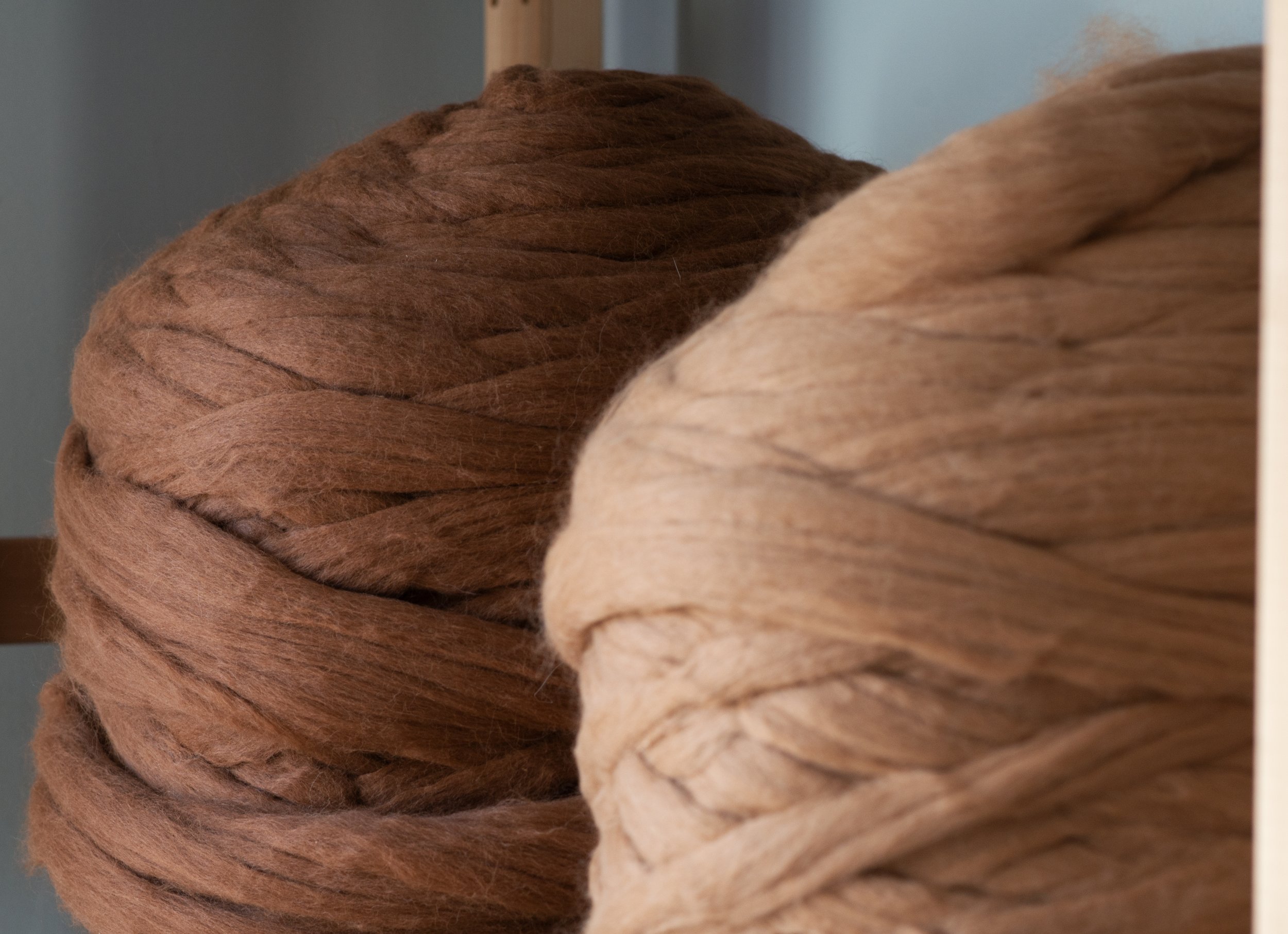
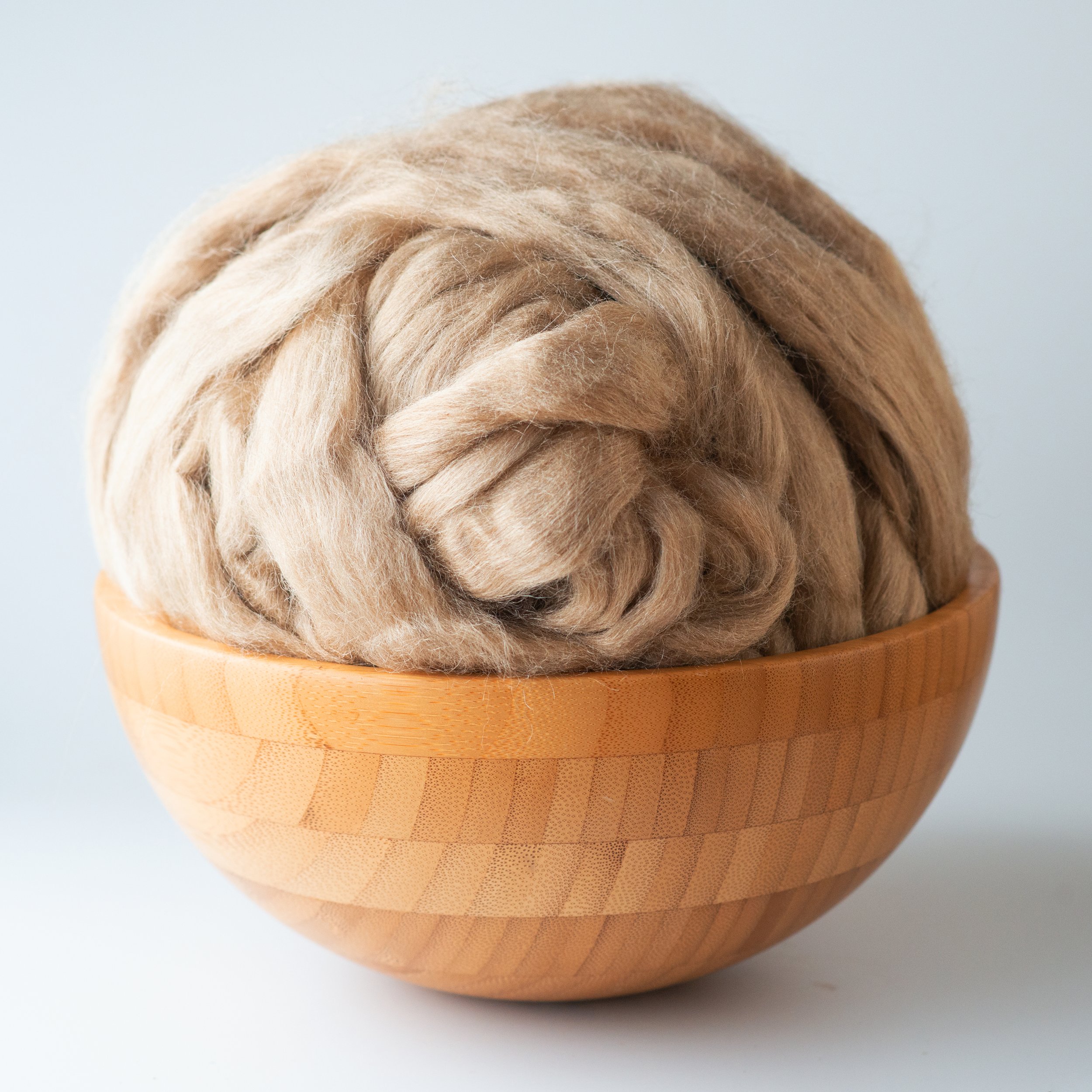
An especially rare and exquisite fiber harvested by hand from the downy undercoat of wild guanaco. Guanaco are the ancestors of domesticated llama, and they still thrive in the high deserts and altiplano of the Andes mountains. They have an extremely warm and soft down coat that helps them survive cold nights in the mountains—at 15μm, guanaco has a similar handle (feel) to pashmina or vicuña. Guanaco fiber is still harvested according to the age-old chaccu tradition: once a year, Indigenous villages build temporary paddocks out of nets, drive the local guanaco into them, shear them, and then release them back into the wild. Our guanaco combed top is the highest quality fiber intended for the Italian fashion market. It naturally has a beautiful creamy latte color, in contrast to the darker cinnamon of vicuña. It has an average staple length of between 1” and 1.5”, and will produce buttery-soft yarn. An excellent gift for fiber artists when only the best will do.
Product of Argentina. Imported by Shepherd Textiles LLC under license by the USFWS. Fully traceable through CITES (the Convention on International Trade in Endangered Species) to healthy wild populations listed in Appendix II of the treaty.
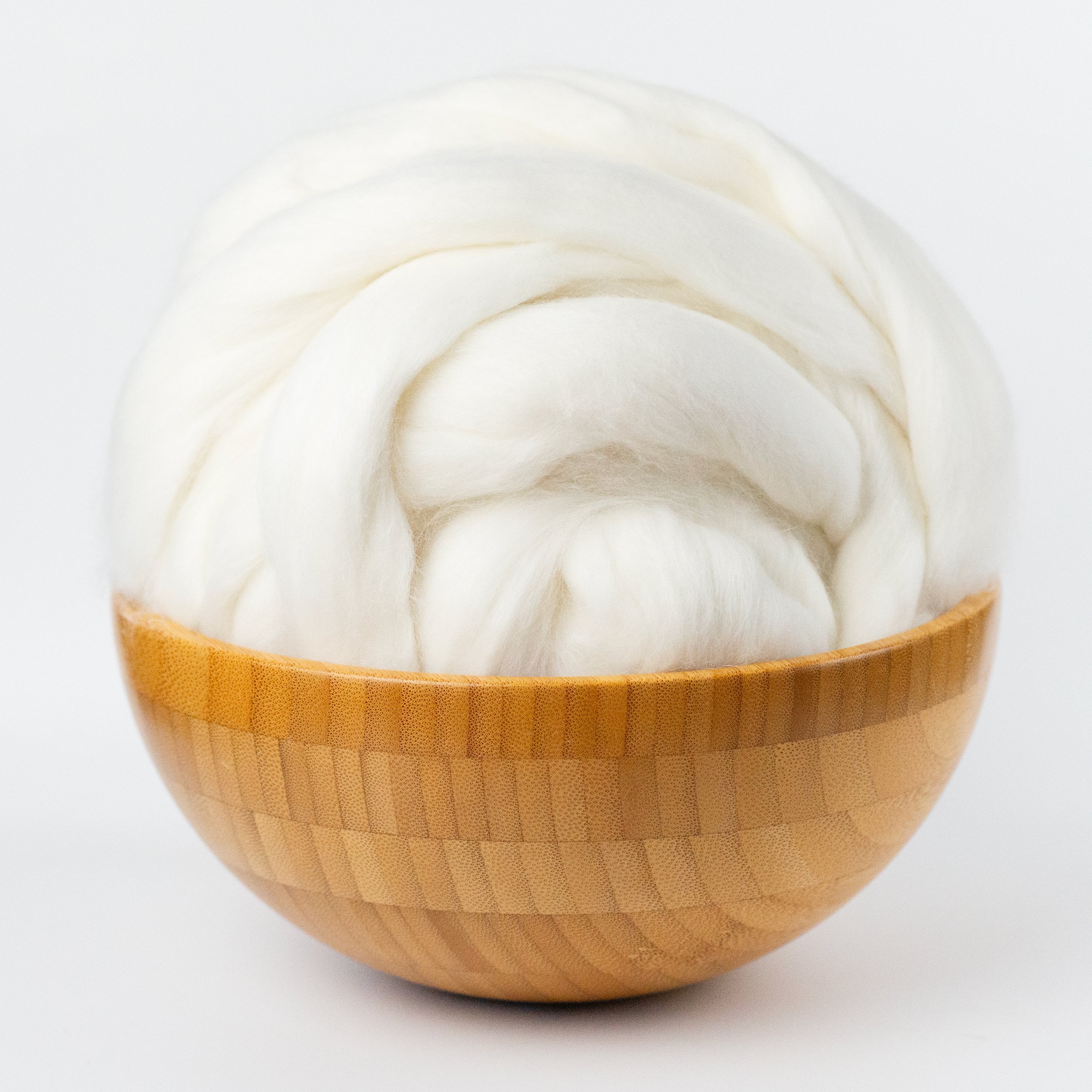
The fluffiest, whitest, warmest fiber we’ve ever seen. Shepherd Textiles French Angora Roving is the soft down brushed from French angora rabbits. It makes exceptionally warm yarns—the fibers are hollow, which helps trap heat—and they have a beautiful, fluffy halo. With a staple length of 3” and measuring approximately 15 microns, it is as soft as cashmere, although it has a very different, wispy texture. This is a luxurious fiber meant for very special projects. Our angora roving comes from France, and only from farms that are registered and inspected by the Ministère de l'agriculture to confirm that the bunnies are raised and brushed humanely, and never painfully plucked. An excellent choice for projects that require maximum warmth while still being as soft as possible on the skin.

The only source of true pashmina is the Changthangi goat, a special breed of cashmere goat native to the high valleys of the western Himalayas. Changthangi goats are raised in small numbers by the nomadic herders that inhabit a crescent stretching from the valleys of Ladakh in northern India, across southwestern Tibet, and into the Dolpo and Mustang valleys of Nepal. In India they are raised by the Changpa, a nomadic Buddhist people who speak a Tibetan dialect. The Changpa rotate their goats across a series of high-altitude grazing grounds each year, and only small herds can survive on the sparse vegetation. Their fiber is collected in the spring when the goats begin to shed, and each adult goat produces only about 3 or 4 ounces of pashmina. This special fiber is celebrated as pashmina, “soft gold,” the finest and rarest form of cashmere.
Shepherd Textiles is the exclusive source for raw pashmina fiber in the U.S. Our Changthangi Pashmina comes from goats raised by Changpa herders in the Rupshul and Chushul valleys of the Indian Himalayas. It comes in loose batts of hand-carded fiber rather than as commercially combed top, because it is entirely processed by hand instead of at a mill. It is exceptionally soft—sticking your hand in it is like sticking your hand in a real cloud. Natural cream/ivory color, 2 inch staple length. Please note that since pashmina is carded by hand, there will be a small amount of vegetable matter (specks of grass) and some dark-colored guard hairs which can be picked out while spinning, as well as a slight goat smell that will disappear after a wash.
We import this wild-gathered tussah silk from a village of weavers in Odisha. More than 95% of the tussah silk on the market right now is commercially-produced Chinese tussah silk (antherea pernyi). Although it is inevitably described as “wild silk,” Chinese tussah silk is cultivated just like mulberry silk. The silkworms are raised on farms in growing frames, and after they spin their cocoon inside the frame, the cocoons are harvested and boiled with the silkworm still inside. This prevents the adult moth from chewing its way out, which would cut the silk threads and make it impossible to unreel the cocoon as one long silk filament, which is required for making high-tensile strength silk warp yarn. The boiled larvae are then removed manually and sold as a snack or ground into livestock feed.
Our Cruelty-Free Jungle Tussah Silk is produced from antherea paphia, the wild Indian tussar moth. A. paphia is not grown in frames; the moths still grow wild, and attach their cocoons to tree branches with a strong black stem called a peduncle. The cocoons are harvested after the adult moth has already exited and flown away, so no silkworms are harmed during production. Unlike commercial tussah silk, this silk is not bleached, and no antibiotics are required to keep the worms healthy in crowded growing frames. This wild silk is much coarser than cultivated tussah silk, but it has a beautiful golden glow. It is also packed full of the silk peptides and proteins that are desirable for making soap: to use, pull out a pinch a bit smaller than a cotton ball, cut into small pieces, and soak in distilled water before dissolving with lye.
Product of India.
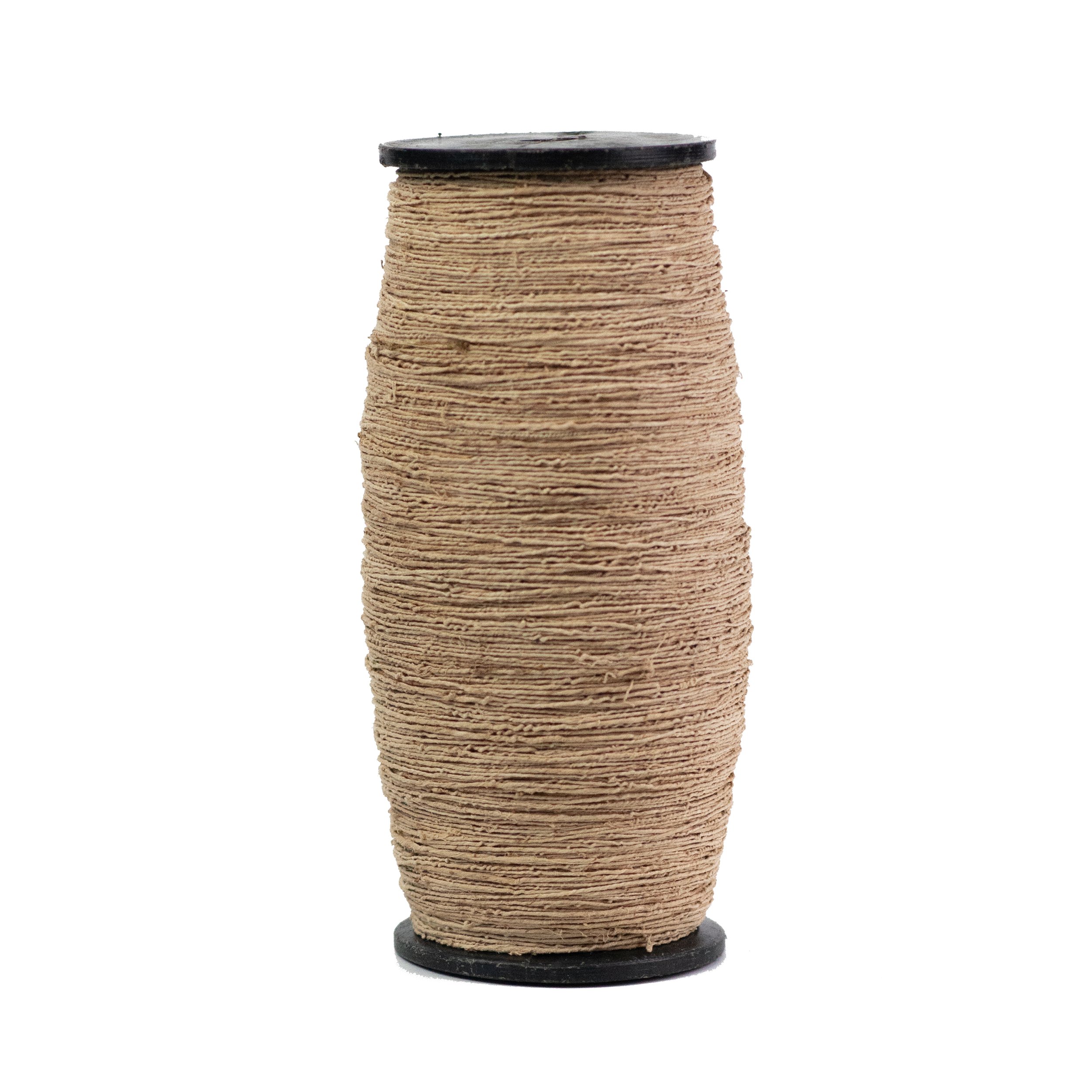
One of the world’s most exclusive fibers, lotus silk is produced from the fine threads found inside the stem of the padonma lotus (nelumbo nucifera). According to tradition, lotus silk was invented 100 years ago by Daw Sa U, a master weaver living in Shan State in Myanmar. She discovered how to painstakingly extract the bast fibers by snapping open the stems, twisting out and drying the threads, and spinning them into yarn which she wove into robes for local monks. This process is extremely delicate and slow, and it requires the threads from more than 30,000 lotuses to make enough yarn to weave a single yard of cloth.
Our Lotus Silk Yarn (10/1) is produced according to Daw Sa U’s traditional method. It is handspun on Inle Lake in Myanmar in the workshop of Ms. Kyin Mo Win. It is a single-ply yarn measuring about 1,100 yards/100 g., and appropriate for warp or weft.
Please note that real lotus silk is not as soft as mulberry silk, nor does it have a high luster. This is, in fact, a very rustic yarn that is celebrated in Myanmar not because of its softness but because of its spiritual connotations. In Theravada Buddhism, a lotus flower growing up and blossoming on top of muddy water symbolizes the pure mind attaining self-awareness in the midst of worldly illusion (samsara). Spinning and weaving robes from lotus silk is an act of merit-making, and garments made of lotus silk are especially appropriate for monks, nuns, and all those who aim not to harm sentient beings. On the bobbin you may feel that the raw yarn feels a bit like cardboard, however, when it is woven and broken in it becomes much softer and develops a hand similar to fine linen.
Product of Myanmar. Hand wash in cold water; lay flat to dry.
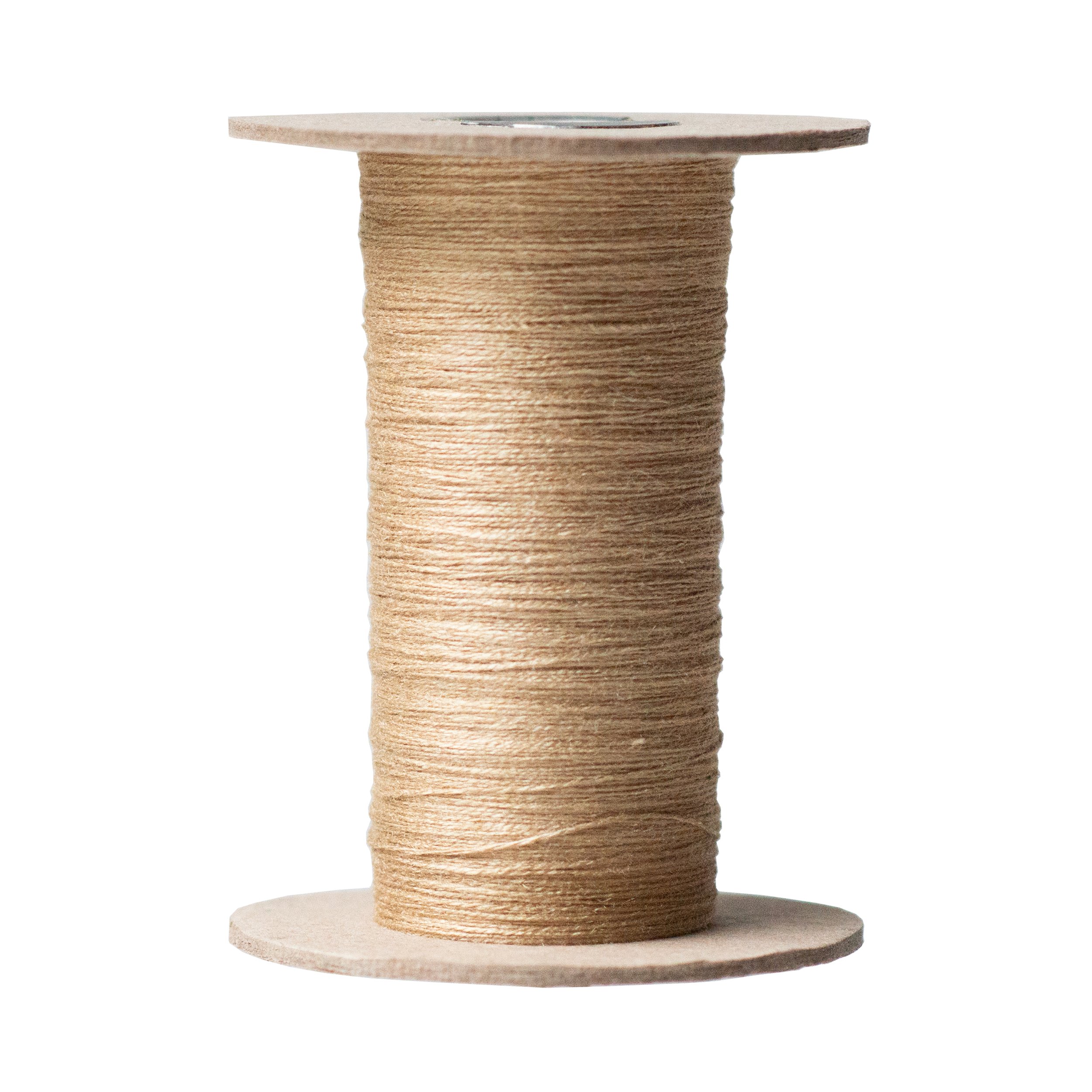
Shepherd Textiles Muga Silk Yarn (2/30) is made of 100% hand-harvested wild muga silk. This lace weight yarn is soft, strong, and has a fantastic luster that will add a golden shine to any woven project.
Muga silk moths (antherea assamensis) are endemic to Assam in eastern India, where they grow wild and are also cultivated in protected groves of som trees. The cocoons are gathered after the adult moths have already chewed out and flown away, making this silk a cruelty-free ahimsa or “peace” silk. Most of the raw silk is carded and spun by hand, but this yarn was sent to a mill in Odisha for spinning into a consistent 2/30 weaving weight. We recommend a tabby sett of 30-36 ends per inch (EPI) depending on the desired feel of the finished cloth.
Sold as a 10-gram sample wound onto a styrene bobbin; 100 grams wound onto a sectional warping spool; or a full sectional spool containing 200 grams of yarn. Product of India. Approximately 15,000 meters per kilogram.


Shepherd Textiles 100% Royal Alpaca Yarn (2/28) is the finest alpaca weaving yarn on the market. Fewer than 1% of all alpaca fleeces are fine enough to be classed as “royal,” which is defined by having an average fiber diameter (AFD) of only 18 or 19 microns. The resulting yarn is exceptionally soft, comparable to the best cashmere, but also very strong on account of the long staple length. Our Royal Alpaca Yarn, 2/28 performs exceptionally well as both warp and weft, and we use it as one of our primary yarns for weaving coverlets, shawls, and tartans. Stronger, warmer, and softer to the touch than similar weights of wool yarn. Approximately 40 wraps per inch (WPI). Recommended tabby sett of 30-36 ends per inch (EPI) depending on the desired finished cloth feel.
Sold in 1kg cones. Approximately 14,000 meters per kilogram.
Product of Peru. Handwash in cold water; lay flat to dry.
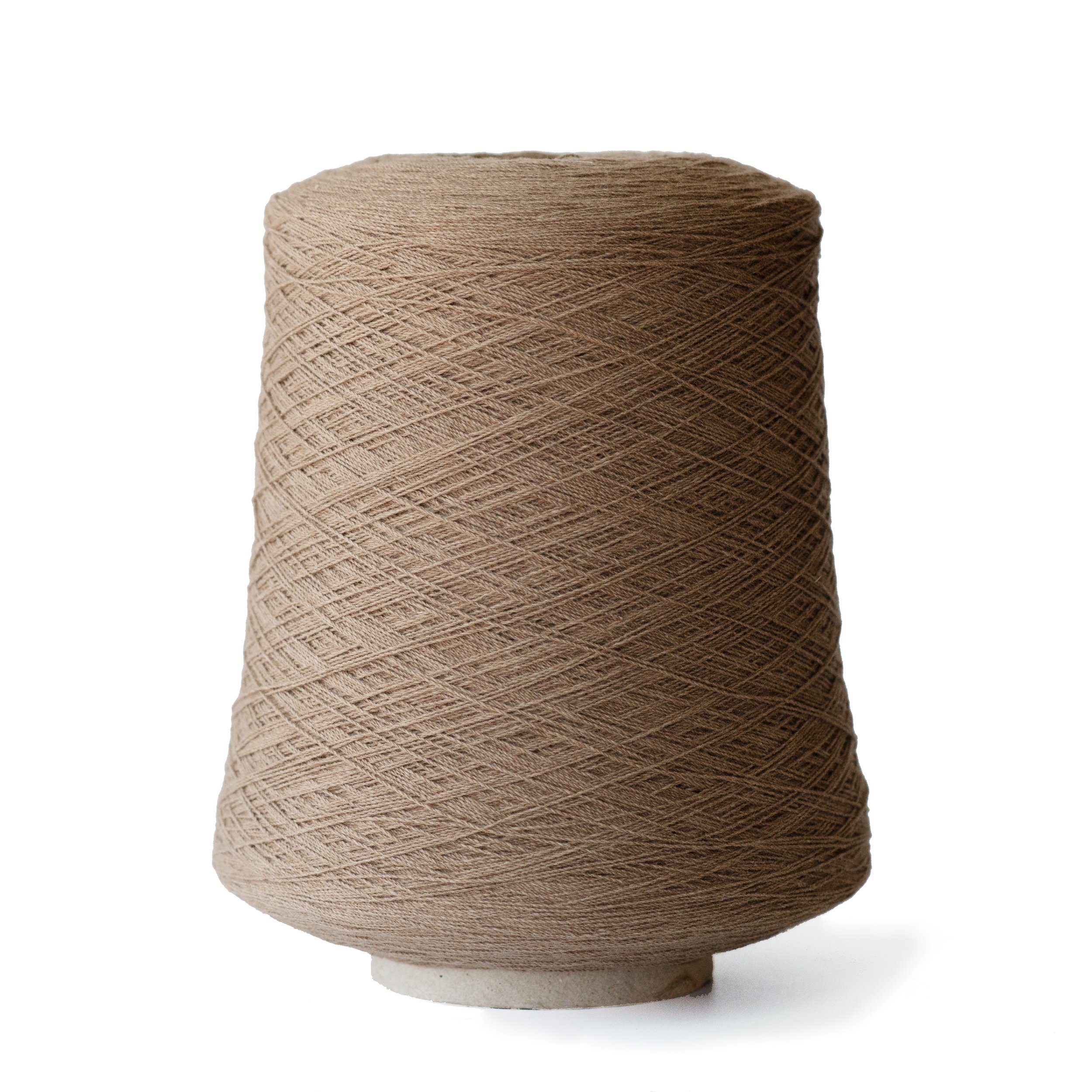
One of the rarest and most exclusive of the natural fibers, Cervelt® is spun from the winter coat of the Scottish red deer (cervus elaphus scoticus). The deer's downy fibers are remarkably warm and fine, with an average fiber diameter (AFD) of only 13 or 14 microns. It is an excellent textile fiber, but its production is limited by nature: a full-grown red deer produces only about 20 grams of usable down fiber each year. Our 100% Cervelt Yarn, Lace Weight (2/28) is a pure Cervelt yarn intended for weaving or machine-knitting. This is the same Cervelt yarn used by Savile Row tailors and Italian fashion designers, perhaps most famously to knit a $1,500 pair of Cervelt socks. The yarn is excellent as either weft or warp, although as a short staple fiber (~1") it can snap if warped under too much tension. It is also sensitive to moisture and performs best on the loom when the relative humidity is between 50% and 70%. Like many short-staple fibers, Cervelt has to be spun with a high twist, so the yarn will feel crisp (not fluffy or soft) on the bobbin. However, the yarn will relax after wet finishing and the true softness wil develop. An excellent choice for weaving warm, elegant garments with beautiful luster and drape.
Approximately 14,000 meters per kilogram. Available as a 1-gram sample on a bobbin (14 meters), a full bobbin containing 20 grams of yarn (280 meters), or a 100-gram spindle (1,400 meters). Product of New Zealand. Cervelt® is a registered trademark of Douglas Creek Limited.